








What's Happening?
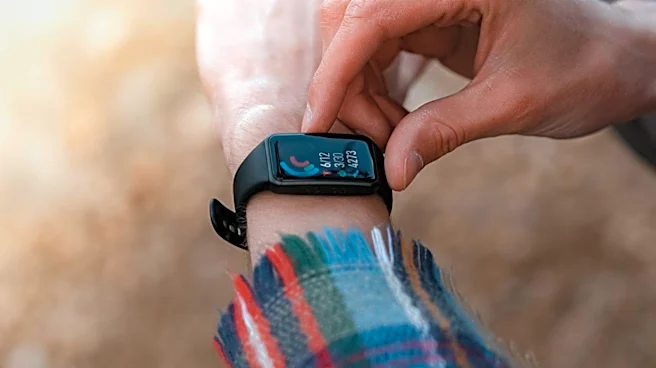
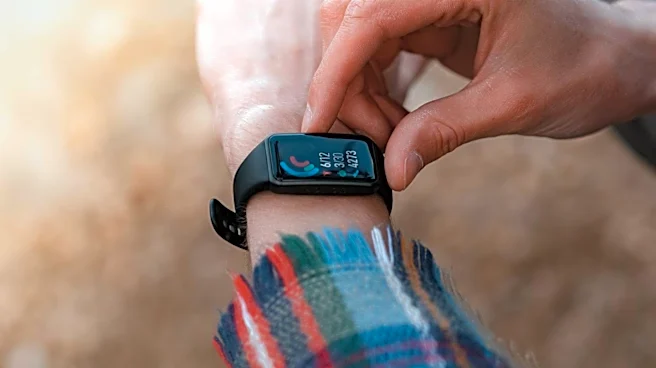
Leading wearable technology companies, including Apple, Oura, Whoop, and Ultrahuman, are now offering blood panel services through their respective apps. This expansion aims to provide users with a more comprehensive view of their health beyond the metrics
traditionally tracked by wearables, such as heart rate, sleep, and activity. These blood tests can reveal crucial information like cholesterol levels, thyroid function, iron and hormone levels, and markers for liver, kidney, and metabolic health, which are not directly measured by typical wearable sensors. The services vary in pricing, frequency, and the range of tests offered, with some providing at-home blood draws and others requiring visits to clinical labs like Quest Diagnostics. The goal is to integrate these deeper health insights into platforms where users already manage their health data, potentially filling gaps in regular medical check-ups for some individuals.
Why It's Important?
This trend signifies a significant evolution in personal health monitoring, moving beyond basic fitness tracking to more diagnostic-level insights. For many Americans who face barriers to regular physician visits due to time constraints, insurance issues, or access, these services offer a convenient way to obtain critical health data. Early detection of conditions like high cholesterol, which often presents without symptoms, can lead to timely lifestyle changes or medical interventions, potentially preventing serious health issues. The integration of blood test results with existing wearable data could create a more holistic health profile, empowering individuals to take a more proactive role in their well-being. However, it also raises questions about the interpretation of complex medical data by consumers and the necessity of professional medical guidance.
What's Next?
As these services become more prevalent, there will likely be increased scrutiny regarding their accuracy, the clarity of result interpretation, and the integration with traditional healthcare systems. The role of AI chatbots in providing health advice based on these results will also be a key area of development and concern, given the potential for misinformation. Consumers will need to understand that these services are tools to gather data, not replacements for professional medical advice or diagnosis. We can expect further advancements in the types of blood markers tested, more sophisticated AI-driven insights, and potentially greater collaboration between wearable companies and healthcare providers to ensure seamless and responsible data utilization. Regulatory bodies may also begin to establish guidelines for these direct-to-consumer health diagnostic services.
Beyond the Headlines
The expansion into blood testing by wearable companies brings forth complex ethical and privacy considerations. Users are entrusting highly sensitive personal health information to tech companies, raising concerns about data security, potential breaches, and how this data might be used or shared. While current laws like HIPAA offer some protection, the landscape of consumer health apps and data ownership is still evolving. There's a delicate balance between empowering individuals with more health data and ensuring that this data is protected and used responsibly. The long-term implications could include a shift in how individuals engage with their health, potentially leading to more personalized preventative care but also risking increased health anxiety or misinterpretation of results without proper medical context. This trend also highlights the ongoing debate about the role of technology in democratizing healthcare versus potentially fragmenting it.