





What's Happening?
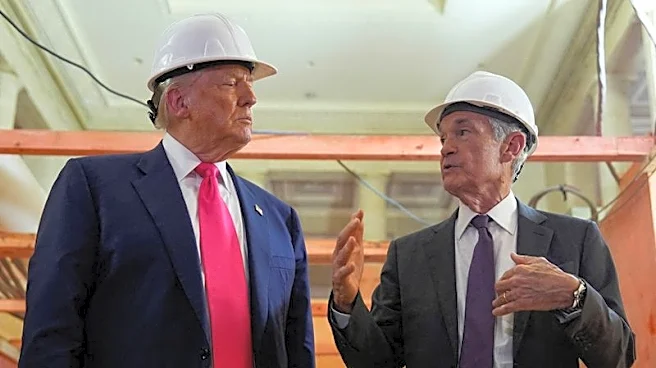
Recent developments have revealed that rubble from the demolished White House East Wing, part of a Trump administration project, has been dumped at the East Potomac Golf Links in Washington, D.C. This rubble reportedly contains toxic metals such as lead
and chromium, raising environmental and public health concerns. The issue came to light during a court hearing where Judge Ana Reyes warned the administration about proceeding with redevelopment plans without proper notice. The administration's intention to transform the golf course into an exclusive championship venue has faced opposition from the DC Preservation League, which filed for a temporary restraining order. The National Park Service has stated that no major renovations are planned imminently, but a safety assessment is underway.
Why It's Important?
The presence of toxic materials at a public recreational site poses significant health risks to the community, particularly children and frequent visitors. This situation highlights the potential environmental consequences of large-scale construction projects and the importance of thorough environmental assessments. The controversy also reflects broader concerns about the administration's approach to public land management and its impact on historic and community sites. The legal and public backlash could influence future policy decisions and regulatory practices regarding environmental safety and public land use.
What's Next?
The court's decision to allow maintenance work to continue while cautioning against unauthorized renovations suggests ongoing legal scrutiny. The administration may face increased pressure to conduct comprehensive environmental assessments and engage with community stakeholders. Further legal actions could arise if the administration proceeds without addressing environmental and public health concerns. The situation may also prompt legislative or regulatory changes to ensure greater oversight and accountability in public land development projects.
Beyond the Headlines
The discovery of toxic materials at the golf course underscores the need for transparency and accountability in government projects. It raises ethical questions about the administration's responsibility to protect public health and the environment. The case could lead to increased public awareness and advocacy for stricter environmental regulations and more sustainable development practices. It also highlights the potential long-term impacts of construction projects on community resources and the importance of preserving public access to recreational spaces.