




What's Happening?
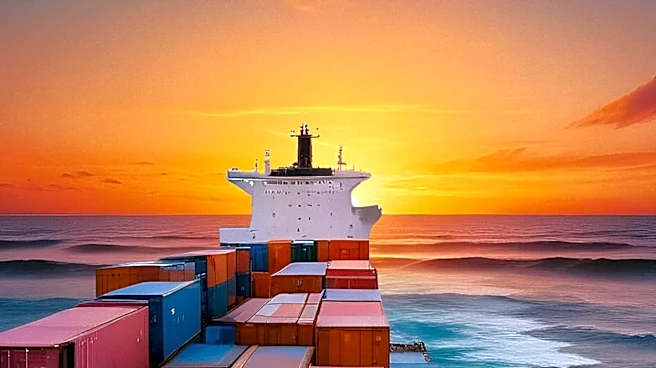
Iran's Foreign Minister Abbas Araghchi announced that talks with Oman regarding a new shipping route through the Strait of Hormuz are nearing completion. The discussions aim to establish a traffic separation scheme that respects Iran's sovereign rights.
Despite the progress, Iran maintains that the agreement with Oman alone will not reopen the strait, which remains closed due to tensions with the U.S. The strait is a critical passage for global oil shipments, and its closure has significant implications for international trade and energy markets.
Why It's Important?
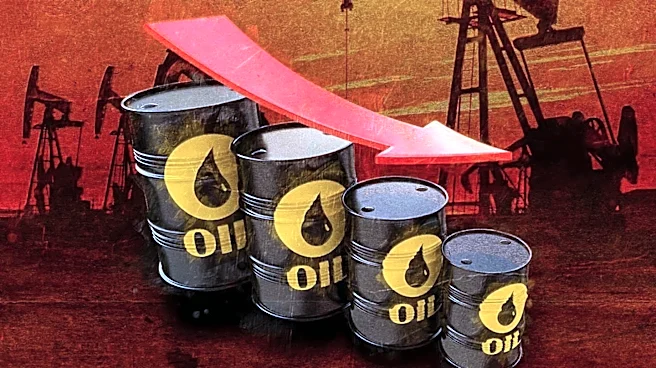
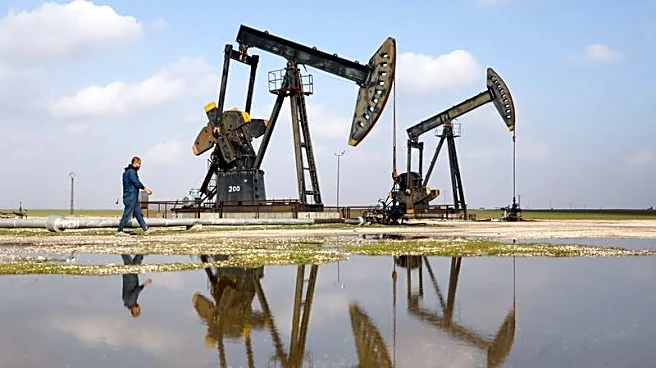
The Strait of Hormuz is a vital chokepoint for global oil transportation, and its closure has disrupted international energy markets. The potential reopening of the strait could stabilize oil prices and ensure the smooth flow of energy supplies. However, the ongoing geopolitical tensions between Iran and the U.S. pose challenges to reaching a comprehensive agreement. The situation underscores the complex interplay between regional politics and global economic stability, highlighting the need for diplomatic solutions to ensure the security of critical trade routes.
What's Next?
As talks progress, the international community will closely monitor developments to assess the potential impact on global oil markets. Any agreement between Iran and Oman could pave the way for further negotiations involving other regional stakeholders. The U.S. and its allies may also engage in diplomatic efforts to address broader security concerns in the region. The outcome of these discussions could influence future geopolitical dynamics and energy policies.