








What's Happening?
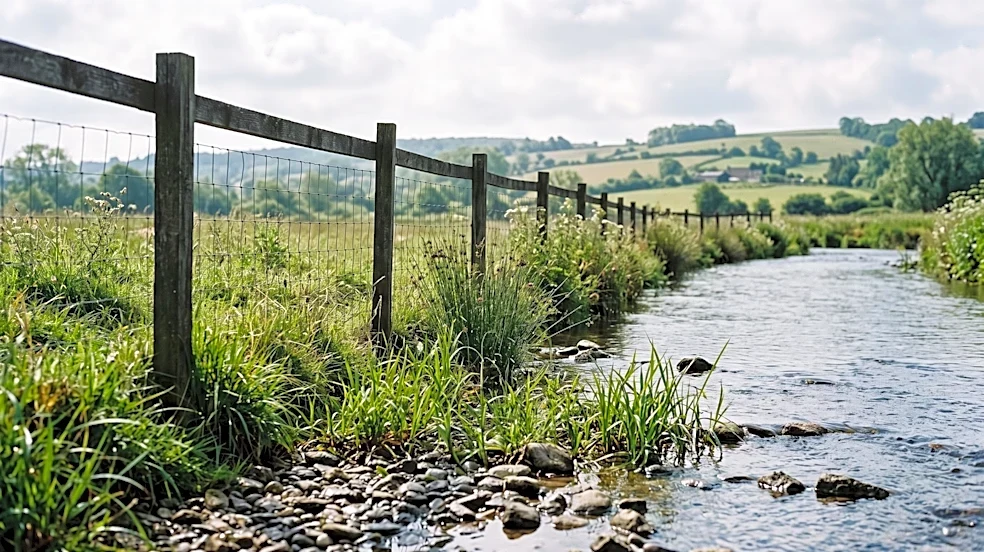
The picturesque Cotswolds village of Bibury, often lauded as the UK's prettiest village, is taking 'drastic measures' to address the negative impacts of overtourism. Fed-up locals and the Bibury Parish Council have approved plans to fence off sections
of the River Coln, a popular spot where tourists have been observed wading, sitting, and even placing furniture. The village, which gained further international recognition after topping Forbes' list of the 50 most picturesque villages globally last year, attracts up to 20,000 tourists daily, significantly outnumbering its 600 residents. This influx, particularly the paddling in the river during hot weather, is deemed highly detrimental to the local wildlife, including swans, ducks, voles, and fish. Craig Chapman, chair of Bibury Parish Council, stated that while fencing is not ideal, it has become a necessary step to protect the environment.
Why It's Important?
This decision highlights the growing global challenge of overtourism, where popular destinations struggle to balance economic benefits with environmental preservation and resident quality of life. For Bibury, a village whose charm is intrinsically linked to its natural beauty and tranquility, the environmental degradation caused by excessive tourist activity threatens its core appeal. The fencing initiative underscores a shift in local governance towards prioritizing ecological protection over unrestricted tourist access, potentially setting a precedent for other overtouristed natural sites. The situation also reflects a broader societal debate on sustainable tourism practices and the responsibility of visitors to respect local environments and communities. The economic implications for local businesses, particularly those reliant on tourism, could be significant if access is restricted, creating a tension between conservation efforts and economic viability.
What's Next?
The Bibury Parish Council is currently awaiting confirmation of funding to implement the approved fencing project. Once funding is secured, the physical barriers will be installed along the River Coln to prevent tourists from entering the water. This action is expected to mitigate the immediate environmental damage to the river's ecosystem and wildlife. However, the long-term effectiveness of this 'drastic measure' in managing tourist behavior and its potential impact on the village's tourism appeal remains to be seen. There may be further discussions on alternative strategies for sustainable tourism, such as visitor management systems or educational campaigns, to address the root causes of overtourism rather than solely relying on physical restrictions. The community will likely monitor the impact of the fencing on both the environment and local tourism.
Beyond the Headlines
The situation in Bibury transcends a simple local dispute, touching upon the complex relationship between tourism, environmental stewardship, and community well-being. It raises ethical questions about the commodification of natural beauty and the rights of local residents versus the desires of tourists. The 'drastic measure' of fencing off a natural feature, while necessary for ecological protection, also symbolizes a loss of open access and a potential shift in the character of the village. This event could spark broader conversations about how to manage and market 'pretty' or 'idyllic' locations without inadvertently destroying the very qualities that attract visitors. It also highlights the need for proactive planning and investment in sustainable tourism infrastructure and education to prevent similar conflicts in other popular destinations.