



What's Happening?
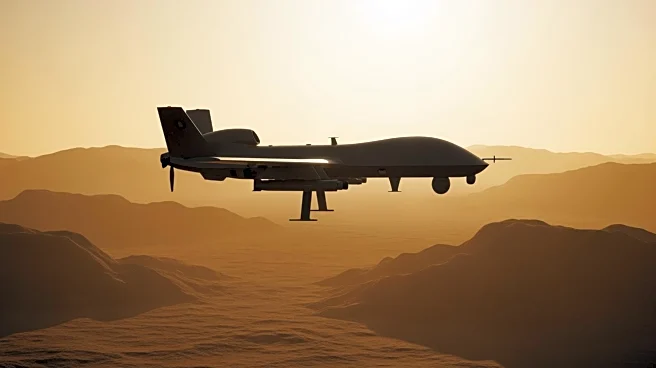
US sanctions have significantly impacted Iran's economy, contributing to the ongoing protests. President Trump has threatened military intervention, claiming to support Iranian protesters. However, decades of US-led sanctions, intensified under Trump's
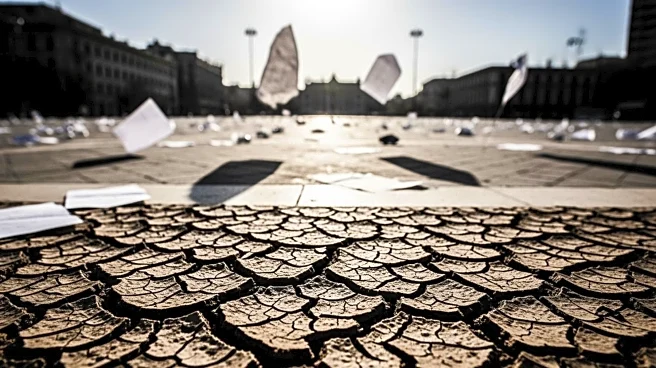
administration, have exacerbated Iran's economic woes, leading to a currency collapse and soaring inflation. The sanctions have disrupted medicine imports, causing price spikes for essential drugs. The protests began in Tehran's Grand Bazaar due to the rial's devaluation and have since spread nationwide, challenging the country's leadership.
Why It's Important?
The sanctions have had a profound impact on Iran's economy, shrinking the middle class and increasing poverty. This economic strain has fueled public discontent, leading to widespread protests. The US's stance on Iran could influence its relations with other countries, particularly those involved in trade with Iran. The situation also highlights the broader implications of economic sanctions on civilian populations, raising ethical questions about their use as a foreign policy tool.
What's Next?
The protests in Iran are likely to continue as economic conditions remain dire. The US may face international scrutiny over its sanctions policy, especially if the humanitarian impact becomes more pronounced. Iran's government might seek to negotiate with the US to ease sanctions, although this could be complicated by ongoing tensions. The international community will be watching closely to see how the situation develops and whether diplomatic solutions can be found.