





What's Happening?
A report by the U.S. Department of Homeland Security's inspector general has revealed significant security lapses by the Secret Service during an assassination attempt on President Donald Trump in 2024. The report found that the Secret Service missed
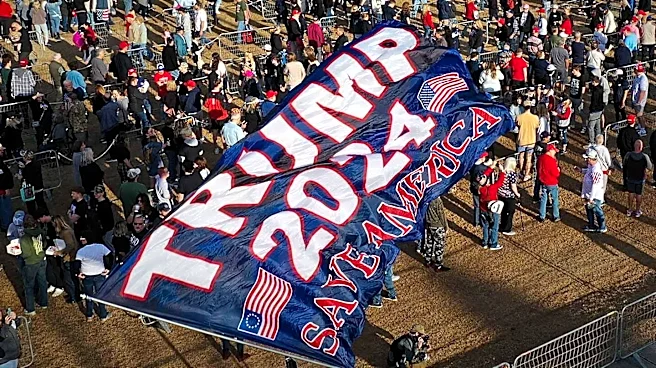
102 local radio transmissions about the gunman, Thomas Crooks, due to a failure to establish a joint communications room with local law enforcement. Crooks, who was killed by law enforcement, managed to open fire at a campaign rally in Butler, Pennsylvania, injuring Trump and killing a bystander. The report also highlighted the inoperability of the Secret Service's counter-drone system, which allowed Crooks to conduct a drone flight undetected before the attack.
Why It's Important?
The findings highlight critical vulnerabilities in the Secret Service's protective measures, raising concerns about the agency's ability to safeguard high-profile political figures. The lapses in communication and technology underscore the need for improved coordination and preparedness in security operations. The report's recommendations, if implemented, could lead to significant reforms within the Secret Service, enhancing its capacity to prevent future threats. The incident also reflects broader challenges in ensuring the safety of public figures in an era of advanced technology and evolving security threats.
What's Next?
The Secret Service has acknowledged the report's findings and stated that many recommendations have already been implemented as part of ongoing reforms. Further actions may include enhanced training for operators and improved communication protocols with local law enforcement. Congressional oversight and public scrutiny are likely to continue, with potential legislative measures to address identified security gaps. The incident may also prompt a reevaluation of security strategies for political events, particularly in light of emerging technological threats.