

What's Happening?
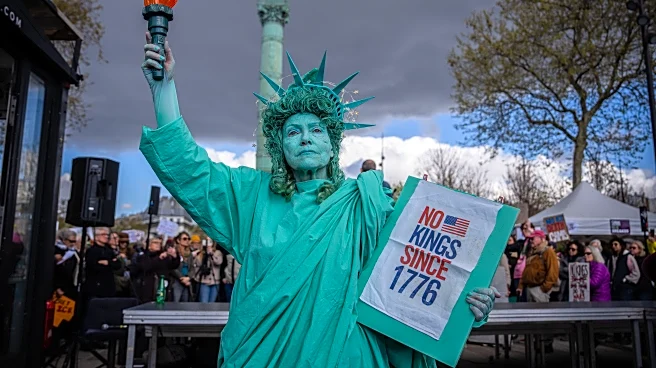
The 'No Kings' protests are taking place today in Atlanta and across the United States, organized as a response to the Trump Administration's policies. This movement, which began as a counter-protest to a U.S. Army parade in Washington, D.C., has grown
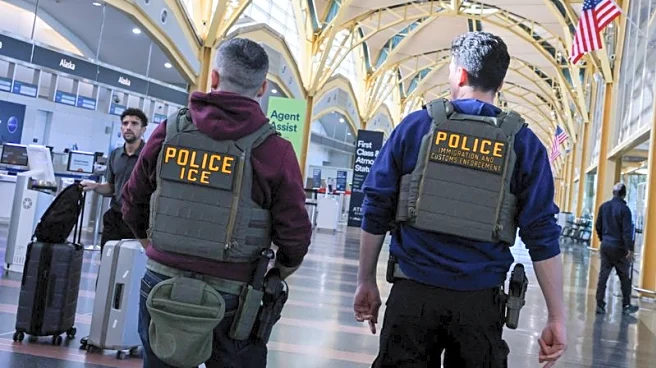
significantly, with millions participating in events nationwide. The protests are focused on issues such as ICE operations, election interference, environmental protections, healthcare, education, and the cost of living. In Georgia, the protests are particularly significant following the deployment of ICE officers at Hartsfield-Jackson Atlanta International Airport and local disputes over ICE detention facilities.
Why It's Important?
The 'No Kings' protests represent a significant grassroots movement challenging the policies and actions of the Trump Administration. The scale of participation underscores widespread public dissent and highlights key issues that are resonating with many Americans. The protests could influence public opinion and voter behavior, especially as many states enter their midterm primary season. The movement's focus on a broad range of issues suggests a deepening divide in U.S. politics, with potential implications for future policy decisions and electoral outcomes.
What's Next?
As the protests continue, it is likely that political leaders and policymakers will need to address the concerns raised by the 'No Kings' movement. The upcoming midterm elections may serve as a barometer for the movement's impact on voter sentiment. Additionally, the ongoing military operation in Iran and ICE activities could further fuel public demonstrations and shape the national discourse. Stakeholders, including political parties and advocacy groups, may adjust their strategies in response to the movement's growing influence.