









What's Happening?
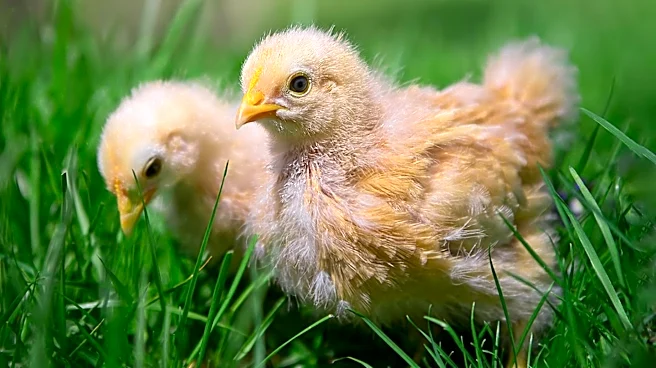
In Pulwama, a district in south Kashmir, efforts are underway to revive backyard poultry farming, a practice that was once integral to the rural economy. Historically, families in Pulwama maintained flocks of chickens that provided eggs and meat, contributing
to household income and food security. However, the expansion of horticulture, particularly apple cultivation, and urbanization have led to a decline in traditional agriculture and livestock rearing. The Chief Animal Husbandry Officer, Dr. Mohd Amin Thakroo, notes that rising education levels and government employment have shifted focus away from backyard poultry, which has become more of a hobby than a livelihood. The economics of poultry farming have also changed, with increased feed costs and a preference for commercial broiler farming. In response, government-backed initiatives like the Holistic Agriculture Development Programme (HADP) are promoting backyard poultry by distributing improved birds and encouraging scientific farming practices.
Why It's Important?
The revival of backyard poultry in Pulwama is significant as it addresses food security and economic sustainability in rural areas. By reintroducing this practice, the district aims to reduce dependency on commercially produced poultry and enhance local egg production. This initiative not only supports rural livelihoods but also contributes to the region's self-sufficiency in eggs and chicken. The government's intervention through HADP and similar programs is crucial in reversing the decline of traditional farming practices, which have been overshadowed by more lucrative horticultural ventures. The success of these initiatives could serve as a model for other regions facing similar challenges due to urbanization and changing agricultural priorities.
What's Next?
The ongoing efforts to promote backyard poultry in Pulwama are expected to continue, with the government planning to introduce more birds and support scientific management practices. The district currently has an estimated backyard poultry population of around 1.5 lakh birds, with plans to increase this number through continued distribution of chicks and improved farming techniques. As these initiatives gain traction, they are likely to boost local egg production and strengthen rural economies. Monitoring the impact of these programs will be essential to ensure their effectiveness and sustainability, potentially leading to further policy adjustments and resource allocation to support rural livelihoods.