







What's Happening?
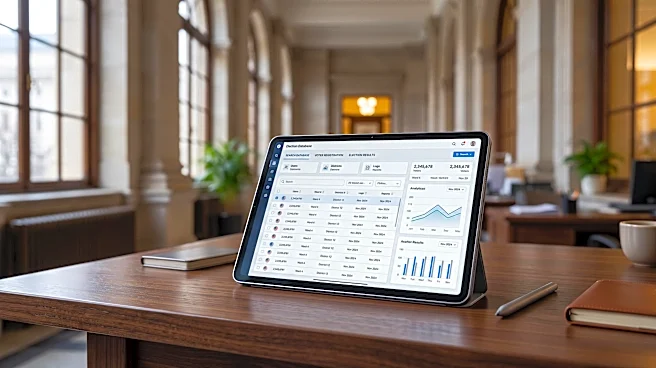
The Oregon Secretary of State's office has made available an online Candidate Filing Search tool, allowing the public to access information related to candidates for the 2026 General Election. This digital resource is part of the state's ORESTAR system,
which provides various election-related data. Users can search for candidates by name, election year (with options including 2026, 2024, 2022, and previous years), and the office they are filing for, such as Attorney General, Governor, State Representative, U.S. Representative, and U.S. Senator, among others. The search functionality also allows filtering by district, position, county, or city, as well as by party affiliation, including Democrat, Republican, Independent, and various minor parties. Additionally, the tool provides options to search for disqualified candidates, filing methods (e.g., Assembly, Completed Petitions), and specific filing or withdrawal dates. This comprehensive search capability aims to enhance transparency in the electoral process by making candidate information readily accessible to the public.
Why It's Important?
The availability of a robust online candidate filing search tool is crucial for promoting transparency and informed civic engagement in U.S. elections. By providing easy access to candidate information, the Oregon Secretary of State's office empowers voters to research those seeking public office, understand their affiliations, and track their official filings. This transparency is vital for a healthy democracy, as it allows citizens, journalists, and watchdog groups to scrutinize candidates' backgrounds and ensure compliance with election laws. For candidates, it means their official records are publicly verifiable, fostering accountability. The ability to filter by party affiliation and office sought helps voters navigate the often-complex electoral landscape, making it easier to find relevant information for their specific districts and interests. This system contributes to the integrity of the election process by making key data points about candidates readily available, reducing barriers to information access.
What's Next?
As the 2026 General Election approaches, the online Candidate Filing Search tool will continue to be a primary resource for voters and stakeholders seeking information on who is running for office in Oregon. The system will likely be updated regularly as new candidates file or withdraw, ensuring the information remains current. The ease of access provided by this tool could encourage greater public participation in the electoral process, as voters can more easily research candidates before casting their ballots. Furthermore, the data available through this portal could be utilized by political analysts, researchers, and media outlets to track trends in candidate filings, party representation, and the overall composition of the electoral field. The ongoing maintenance and accessibility of such digital tools are essential for supporting an informed electorate and a transparent democratic process in Oregon.
Beyond the Headlines
The implementation of comprehensive online search tools for candidate filings, like Oregon's ORESTAR system, represents a significant step towards modernizing election transparency. Beyond simply listing candidates, these platforms can indirectly foster greater accountability by making it easier for the public to identify potential conflicts of interest, track political affiliations, and monitor the official steps candidates take to qualify for the ballot. This digital accessibility also democratizes information, moving beyond traditional methods of public records requests and making data available to anyone with an internet connection. The long-term implication is a more informed and potentially more engaged electorate, which can lead to more robust public discourse and better-informed voting decisions. Such systems also set a precedent for other states to follow, contributing to a national trend of increased transparency in political processes.