


What's Happening?
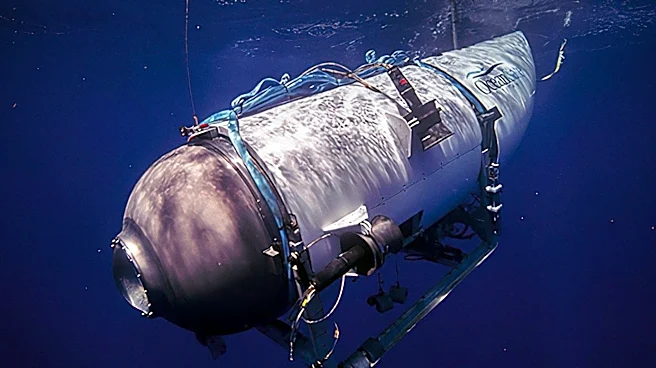
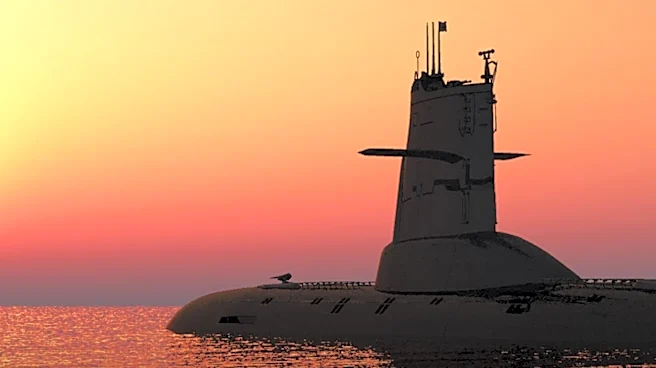
Raytheon Technologies, in collaboration with Composite Energy Technologies (CET), has successfully demonstrated a new underwater launch capability for the HADALUS unmanned undersea vehicle (UUV). This demonstration, observed by the U.S. Navy, marks the first
time the Navy has witnessed such an integrated capability in action. The HADALUS UUV launched a payload while submerged, showcasing its potential for long-endurance autonomous underwater missions. This development is part of a broader push by the U.S. defense sector towards distributed unmanned systems, which aim to enhance operational flexibility and reduce the reliance on crewed vessels. The HADALUS UUV, measuring 34 feet in length, is designed to travel over 2,000 nautical miles, offering significant endurance for unmanned operations.
Why It's Important?
The successful demonstration of the HADALUS UUV's underwater launch capability represents a significant advancement in autonomous undersea technology. This capability could transform how the U.S. Navy conducts undersea operations, allowing for more flexible and less detectable missions. The reduced cost of the HADALUS platform, estimated to be significantly lower than comparable systems, could enable the Navy to expand its fleet of undersea drones, enhancing its operational reach and effectiveness. This development aligns with the U.S. military's strategic focus on increasing the use of unmanned systems to cover larger areas and reduce the burden on manned vessels.
What's Next?
Further testing and development are expected to continue as Raytheon and CET work towards achieving full autonomous combat capability for the HADALUS UUV. The U.S. Navy will likely evaluate the potential integration of this technology into its broader operational framework, considering the strategic advantages of deploying such systems. The focus will be on refining the technology to ensure reliability and effectiveness in complex underwater missions.