






What's Happening?
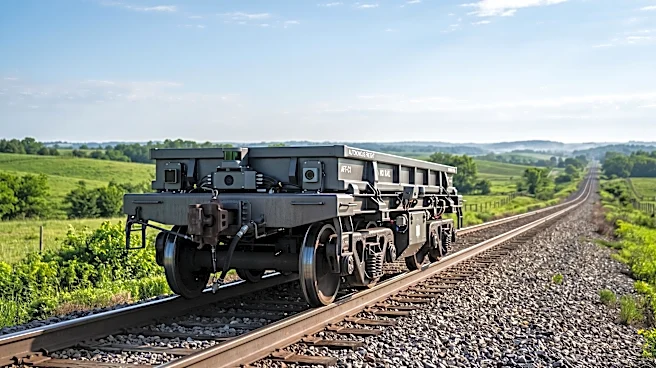
Rhode Island Governor Dan McKee signed H7608/S2913 into law on July 23, 2026, mandating a minimum two-person crew for all freight trains and light engines operating within the state. This legislation, which received overwhelming bipartisan support, aims
to enhance safety measures in the rail industry. Governor McKee emphasized the 'commonsense' nature of the bill, stating that two crew members are essential for both operating the train and addressing any issues that may arise during a delivery route. The new law also includes penalties for non-compliance, with fines ranging from up to $1,000 for a first offense to $10,000 for a third offense committed within three years. The passage of this bill was a collaborative effort, with significant contributions from SMART-TD's New England Safety & Legislative Board, including New England Safety & Legislative Director Dave Stevenson, Assistant New England Safety & Legislative Director Chris Tyrrell, and Bus & Transit Assault Prevention & Safety (BTAPS) Committee Chair Cole Czub.
Why It's Important?
This legislation is important for several reasons, primarily focusing on public and worker safety within Rhode Island's freight rail operations. The requirement for a two-person crew directly addresses concerns about operational efficiency and emergency response capabilities. In the event of an incident, having a second crew member can be critical for managing the situation, ensuring the safety of the crew, and mitigating potential risks to the public and environment. The imposition of escalating fines for violations underscores the state's commitment to enforcing these safety standards, potentially deterring companies from cutting corners on staffing. This move could set a precedent or influence similar legislative efforts in other states, as rail safety remains a national concern. For rail companies, it means adjusting staffing models and potentially increasing operational costs, while for rail workers, it signifies improved working conditions and enhanced job security due to the increased demand for personnel.
What's Next?
Following the signing of H7608/S2913, rail operators in Rhode Island will need to ensure their staffing practices comply with the new two-person crew mandate. This may involve hiring additional personnel or reallocating existing staff to meet the requirements. The state's regulatory bodies will likely establish enforcement mechanisms to monitor compliance and administer the specified fines for violations. The success and impact of this law in Rhode Island could also inspire similar legislative initiatives in other states that are currently debating or considering enhanced rail safety measures. Labor unions, such as SMART-TD, will likely continue to advocate for the strict enforcement of this law and may use it as a model for future campaigns to improve working conditions and safety standards across the national rail network. The long-term effects will be observed in accident rates, operational efficiency, and the overall safety culture within the state's rail industry.
Beyond the Headlines
The Rhode Island law mandating two-person train crews extends beyond immediate safety concerns, touching upon broader implications for labor rights, corporate responsibility, and the future of automation in transportation. This legislation represents a victory for labor unions, highlighting their persistent advocacy for human oversight in critical operations, especially in an era where automation is increasingly considered. It underscores a societal debate about the balance between cost-efficiency driven by reduced staffing and the inherent value placed on human safety and job creation. Furthermore, the law could influence discussions around the role of human workers in other industries facing automation, potentially leading to similar mandates in sectors where human presence is deemed crucial for safety or complex decision-making. It also raises questions about the economic impact on smaller rail companies versus larger corporations and how they will adapt to these new operational requirements without compromising service or financial stability.