





What's Happening?
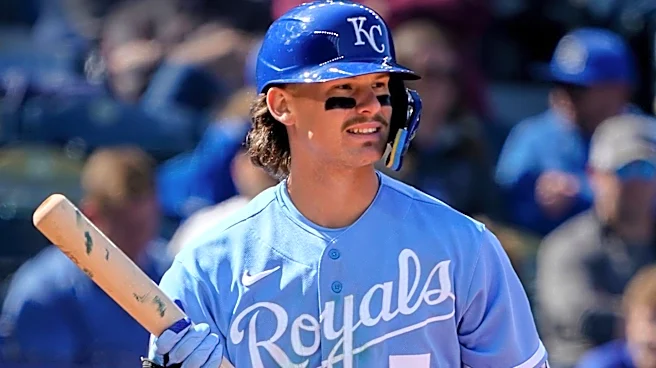
Members of Missouri Workers Power have delivered a letter to the Kansas City clerk, requesting a ballot initiative for an April vote on the proposed downtown Royals stadium project. The petitioners aim to amend the city’s redevelopment codes, requiring
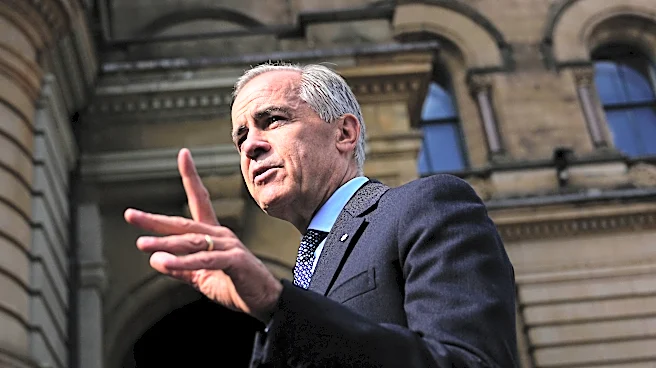
voter approval before the city can take further action to fund such projects. This measure specifically targets the Royals’ new downtown ballpark. This move comes after Kansas City voters previously rejected a separate stadium sales tax measure in 2024. Despite this, the city council has already committed $600 million in bonds towards the $1.9 billion project. Terrence Wise of Missouri Workers Power stated that the fight is not over and that Royals owner John Sherman and the team have not won, emphasizing that the people should decide on public financing for a billionaire's project. Mayor Quinton Lucas, however, maintains that a future vote would not alter the city's plans, as the council has already passed ordinances and will continue its legal work. Demolition and site preparation for the stadium at Crown Center are reportedly scheduled to begin in January 2027.
Why It's Important?
This development highlights a significant conflict between public sentiment and municipal government decisions regarding large-scale urban development projects in the U.S. The petitioners' efforts underscore a growing demand for direct voter input on substantial public expenditures, especially when they involve private entities like professional sports teams. The rejection of a previous sales tax measure in 2024 indicates a segment of the populace is wary of using public funds for the stadium. If the ballot initiative proceeds and voters reject the funding, it could create a precedent for increased public oversight on similar projects nationwide, potentially complicating future public-private partnerships. Conversely, if the city council's commitment stands despite public opposition, it could deepen public distrust in local governance and its responsiveness to constituent concerns. The outcome will influence how other U.S. cities approach funding new sports facilities and manage public engagement in such decisions, impacting both urban planning and local economies.
What's Next?
The immediate next step involves the city staff reviewing the request from Missouri Workers Power to validate the signatures for the ballot initiative. If the signatures are validated, the measure would then be placed on the ballot for an April vote. Concurrently, Mayor Quinton Lucas has indicated that the city council will continue its work to deliver the stadium, with plans for site preparation and demolition at Crown Center to commence as early as January 2027. This suggests a potential scenario where the city proceeds with its plans while the public vote is pending or even after a potential rejection, setting up a legal or political confrontation. Stakeholders, including Missouri Workers Power, are likely to continue their advocacy and public awareness campaigns leading up to the April vote. The Royals organization and city officials will likely monitor these developments closely, potentially adjusting their public relations strategies to address voter concerns or reinforce the perceived benefits of the stadium project.
Beyond the Headlines
This situation delves into the broader ethical and economic debate surrounding public financing for private sports franchises. The petitioners' argument that 'the people should be the ones deciding whether we give more than a billion dollars in public financing to a billionaire' touches on issues of wealth distribution, corporate welfare, and democratic accountability. It raises questions about the true economic benefits of new stadiums for local communities versus the financial burden placed on taxpayers. Often, proponents argue for job creation and economic revitalization, while critics point to studies showing limited long-term economic impact and the diversion of funds from essential public services. The outcome in Kansas City could influence the national conversation on whether professional sports teams, often owned by wealthy individuals, should receive significant public subsidies, potentially leading to increased scrutiny and more stringent requirements for public approval in future stadium deals across the U.S.