
What's Happening?
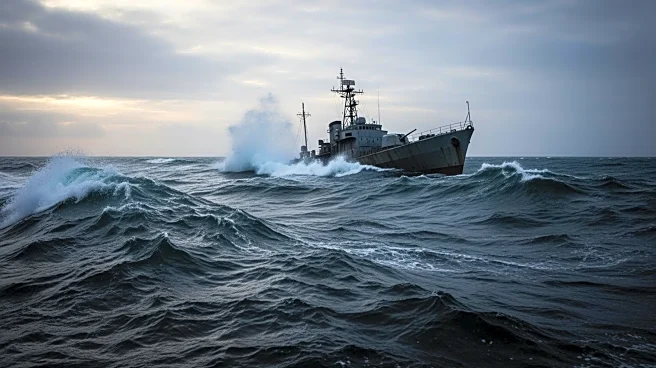
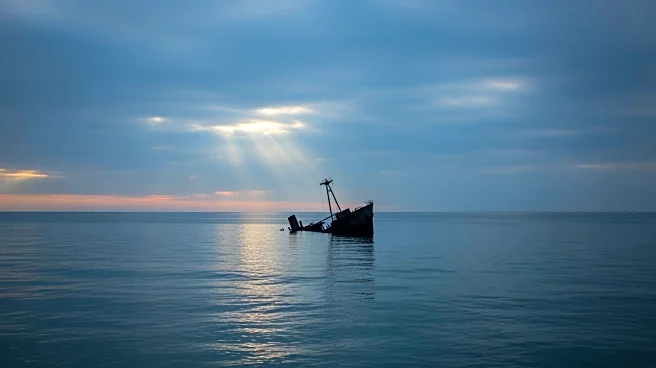
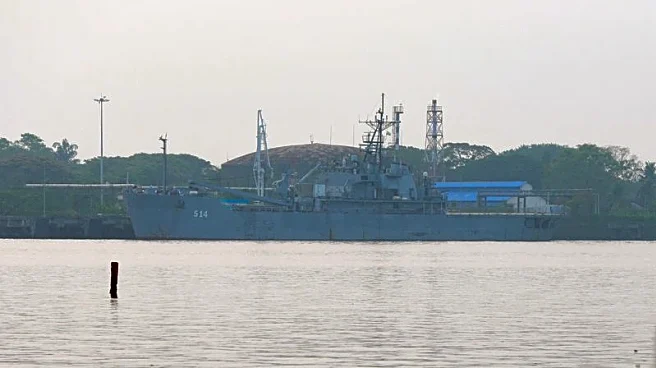
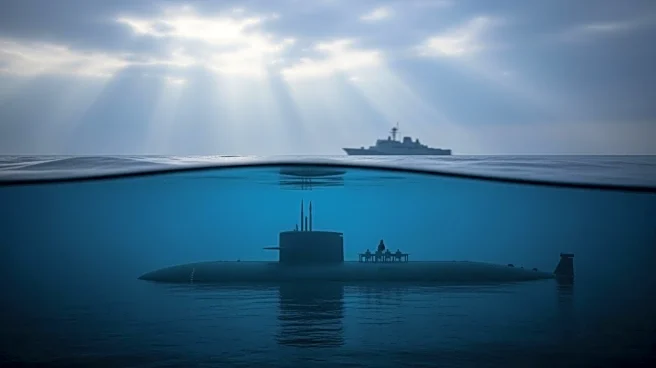
A U.S. submarine's torpedo attack on the Iranian warship IRIS Dena in the Indian Ocean has been deemed lawful under international and American military law, according to legal experts. The attack, which resulted in the deaths of 87 people and the rescue
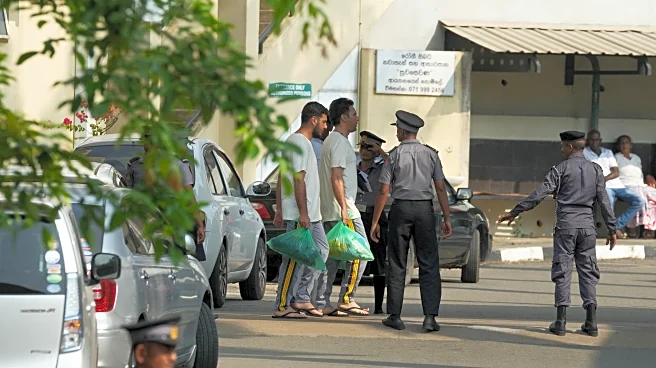
of 32 Iranian sailors, occurred in international waters near Sri Lanka. The IRIS Dena had been returning from naval exercises hosted by India. Legal experts, including Marko Milanovic from the University of Reading, assert that targeting a military vessel is not a war crime. However, questions have arisen regarding the U.S. Navy's efforts to rescue survivors, as international humanitarian law mandates taking all possible measures to assist those wounded or shipwrecked. The U.S. reportedly contacted Sri Lankan authorities to aid in search and rescue operations, but by the time Sri Lankan forces arrived, only oil patches and life rafts were found.
Why It's Important?
The incident underscores the complexities of military engagements and the legal obligations that follow. While the attack itself may be justified under the law of war, the subsequent rescue efforts highlight the challenges of adhering to international humanitarian standards. This situation could impact U.S. military operations and diplomatic relations, particularly with countries involved in the rescue efforts like Sri Lanka. The event also raises broader questions about the responsibilities of military forces in conflict zones, potentially influencing future military protocols and international law interpretations. The U.S. military's actions and the legal scrutiny they face could affect its global standing and operational strategies.
What's Next?
Further investigations and clarifications are expected regarding the U.S. Navy's compliance with international humanitarian obligations. Legal experts and international observers may call for more transparency and detailed accounts of the rescue efforts. The U.S. might face diplomatic inquiries or pressure to ensure adherence to international norms in future operations. Additionally, this incident could prompt discussions within the Pentagon about refining protocols for post-attack rescue operations, especially in complex maritime environments. The outcome of these discussions could lead to policy adjustments and influence international military cooperation frameworks.