





What's Happening?
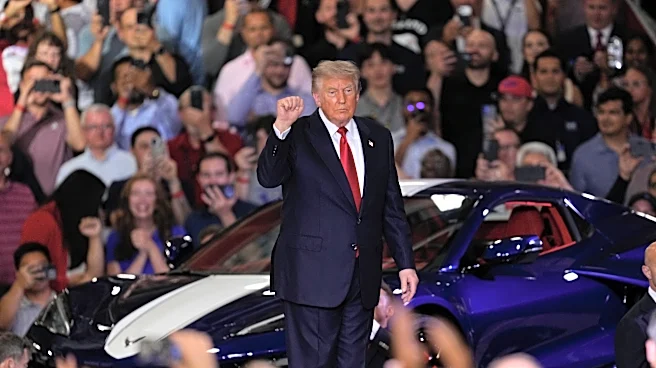
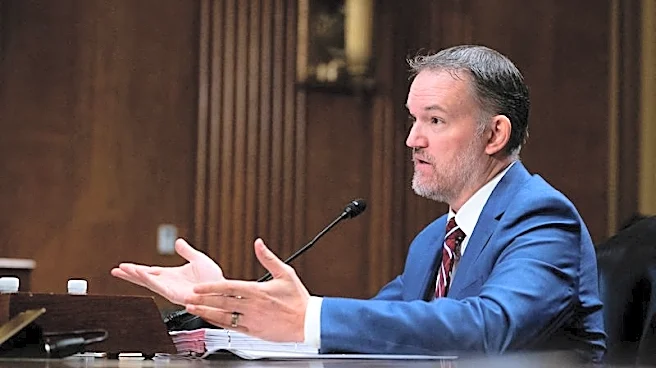
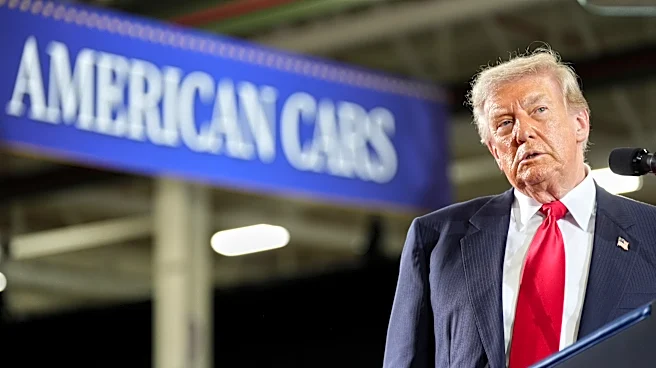
On July 24, 2026, the United States, under the direction of President Trump, announced significant trade actions against 60 countries. The U.S. Trade Representative, Ambassador Jamieson Greer, revealed that additional tariffs of 10% or 12.5% would be
imposed on nearly all goods from these countries. This decision targets economies that have not effectively banned goods produced with forced labor. The tariffs cover approximately 99.4% of U.S. imports from these nations. The action is part of a broader strategy to address the persistent issue of forced labor in global supply chains, which remains a significant problem despite international efforts and agreements. The U.S. aims to leverage its market power to enforce stricter labor standards globally.
Why It's Important?
The imposition of these tariffs marks a shift from mere condemnation to actionable consequences, aiming to change international labor practices. By targeting countries that allow forced labor, the U.S. seeks to create a fairer global market. This move could pressure other nations to adopt and enforce stricter labor laws, potentially reducing the prevalence of forced labor. For U.S. businesses, this could mean higher import costs, prompting them to reassess their supply chains and labor practices. The tariffs also set a precedent for using trade policy as a tool for human rights advocacy, potentially influencing future international trade agreements and labor standards.
What's Next?
Countries affected by the tariffs may need to reconsider their labor policies to avoid economic penalties. The U.S. has introduced a system of tariff-rate quotas for certain countries, incentivizing them to purchase more American cotton and yarn. This could lead to increased U.S. exports and support domestic industries. The international community may respond with diplomatic negotiations or retaliatory trade measures. Businesses globally will likely need to enhance their due diligence and supply chain transparency to comply with these new standards and avoid additional costs.
Beyond the Headlines
This development highlights the ethical dimension of global trade, emphasizing the need for responsible sourcing and production practices. It also underscores the U.S.'s role in setting international labor standards, potentially leading to long-term shifts in how countries approach labor rights. The action could inspire other nations to adopt similar measures, fostering a global movement towards eradicating forced labor. However, it also raises questions about the balance between trade policy and human rights, and the potential economic impact on developing countries reliant on exports.