
What's Happening?
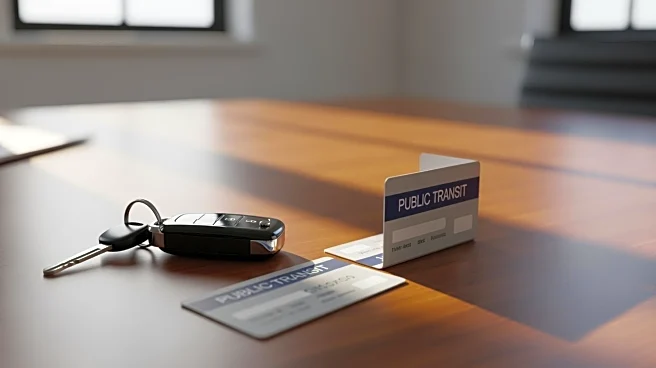
A judge in the Rishon Lezion Magistrate’s Court in Israel has ruled that a man undergoing insolvency proceedings must give up his Tesla and use public transportation instead. The man, who owes approximately
NIS 1 million, argued that the Tesla is essential for family transportation and cost-effective due to low maintenance and fuel costs. However, the court found that maintaining a luxury vehicle is inconsistent with the principles of insolvency proceedings, which require frugal financial conduct. The judge emphasized that the debtor's financial difficulties stem from consumer loans and that continuing to pay for the Tesla would unfairly prioritize one creditor over others.
Why It's Important?
This ruling highlights the legal and ethical considerations in insolvency cases, particularly regarding the maintenance of luxury assets. The decision underscores the expectation for individuals in financial distress to adopt more modest lifestyles to maximize repayment to creditors. It also reflects broader societal debates about financial responsibility and the prioritization of debts. The case may set a precedent for similar situations, influencing how courts handle the balance between personal needs and creditor rights in insolvency proceedings.
What's Next?
The debtor will need to comply with the court's ruling and transition to using public transportation or a more affordable vehicle. This decision may prompt other individuals in similar financial situations to reassess their asset management strategies. Legal experts and financial advisors may use this case to guide clients on the implications of maintaining luxury items during insolvency. The ruling could also lead to further discussions on the need for clearer guidelines on asset management in insolvency cases.