



What's Happening?
The World Trade Organization (WTO) is experiencing a significant crisis as its dispute settlement mechanism, particularly the Appellate Body, has become non-functional due to the U.S. blocking new judicial appointments. This has led to a situation where
trade disputes cannot be resolved effectively, as countries can appeal 'into the void,' rendering rulings unenforceable. The WTO's consensus-based decision-making process is also under scrutiny, as it struggles to address modern trade issues like digital trade and carbon border taxes. The organization is caught in a debate over its relevance, with some viewing it as outdated, while others see it as adapting through plurilateral agreements and interim arrangements like the Multi-Party Interim Appeal Arbitration Arrangement (MPIA).
Why It's Important?
The WTO's ability to enforce trade rules is crucial for maintaining global economic stability. Its current challenges could lead to increased unilateral tariffs and trade disputes, undermining multilateral trade cooperation. The U.S.'s actions have significant implications, as they set a precedent for other countries to bypass WTO rules, potentially leading to a fragmented global trade system. This situation highlights the need for the WTO to modernize and adapt to the changing global economic landscape, ensuring it remains a central player in international trade governance.
Beyond the Headlines
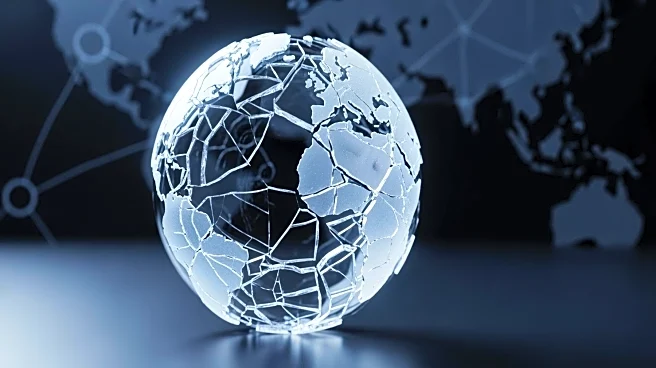
The WTO's crisis reflects broader geopolitical tensions, particularly between major powers like the U.S. and China. The organization's struggle to enforce rules amid these tensions underscores the challenges of maintaining a rules-based international order in a multipolar world. The rise of regional trade blocs and unilateral measures could further fragment the global economy, making it essential for the WTO to evolve and address new trade realities. The organization's future may depend on its ability to embrace flexibility and plurilateral agreements, ensuring it can effectively manage global trade in a fragmented era.