





What's Happening?
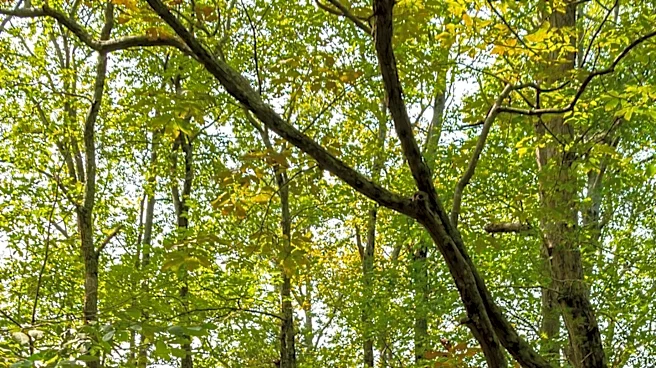
Siloam Springs State Park, located near the western border of Illinois, provides a serene Midwestern escape spanning 3,323 acres. The park is characterized by its dense woodlands and a large, lovely lake, offering visitors opportunities for trails, camping,
fishing, and boating. Historically, the park was known for its mineral-rich springs, which were believed to have healing properties and attracted visitors seeking cures at a resort around the turn of the 20th century. While the resort facilities are no longer present, the park continues to offer the healing benefits of nature. Notable trails include the Prairie Bluff Trail, a 1.2-mile path featuring meadows, hills, and water views, showcasing significant ecological diversity with various terrains from tall grass to hardwood forests and bouldering areas. The park is accessible by car, approximately an hour and a half from Springfield, Illinois, and a five-hour drive from Chicago O'Hare International Airport, with free entry.
Why It's Important?
Siloam Springs State Park serves as a vital natural resource, offering a tranquil retreat from urban environments and promoting outdoor recreation. Its diverse ecosystems, including forests, meadows, and aquatic habitats, support a wide array of flora and fauna, contributing to regional biodiversity. The park's historical significance, tied to its mineral springs and past as a healing resort, adds a unique cultural dimension to its natural beauty. By providing free entry and various activities like camping, fishing, and hiking, the park makes nature accessible to a broad public, encouraging physical activity and mental well-being. The park's role in preserving natural landscapes and offering recreational opportunities is crucial for both environmental conservation and public health in the Midwest.
What's Next?
Visitors planning a trip to Siloam Springs State Park can anticipate a range of outdoor activities, including exploring its diverse trails, such as the Prairie Bluff Trail, which offers scenic views and ecological variety. Camping facilities are available, allowing for extended stays amidst nature. The lake provides opportunities for fishing and boating, catering to water-based recreational interests. As the park is free to enter, it remains an accessible option for day trips or longer excursions. Future developments might focus on enhancing trail maintenance, improving camping amenities, or further promoting the park's historical and ecological significance to attract more visitors and ensure its continued preservation.
Beyond the Headlines
Siloam Springs State Park exemplifies the broader value of state parks in the U.S. as critical components of public land management and conservation efforts. Beyond recreation, these parks often serve as living laboratories for ecological research and environmental education. The park's history as a healing resort underscores a long-standing human connection to nature for well-being, a concept that is gaining renewed appreciation in modern society. The ecological diversity noted by hikers, including various terrains and wildlife, highlights the importance of preserving such varied habitats. As urban areas expand, the role of accessible natural spaces like Siloam Springs State Park becomes increasingly vital for providing ecological services, promoting public health, and fostering a deeper connection between people and the natural world.