







What's Happening?
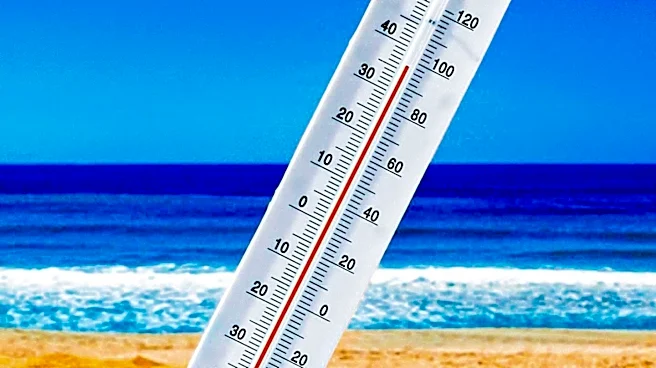
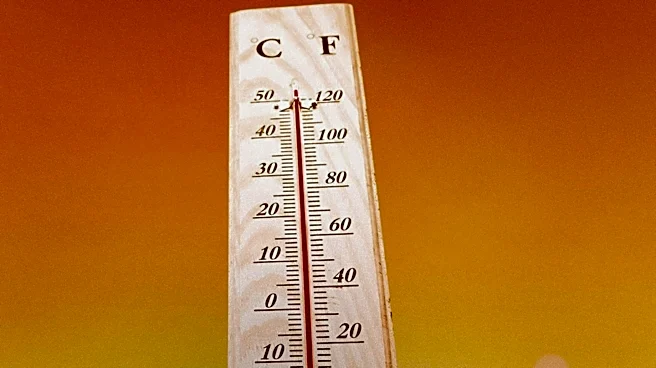
A heat advisory has been issued for southeast Missouri, southwest Illinois, and far western Kentucky, effective from 11 AM Sunday to 7 PM Tuesday. The advisory warns of daily peak heat index values reaching up to 110 degrees, with Monday expected to be the hottest
day. The advisory covers areas along and west of a line from Mount Vernon, Illinois, to Murray, Kentucky. Residents are advised to take precautions such as staying hydrated, remaining in air-conditioned environments, avoiding direct sun exposure, and checking on vulnerable neighbors and relatives. The advisory highlights the risk of heat-related illnesses due to the combination of high temperatures and humidity.
Why It's Important?
The heat advisory is significant as it underscores the potential health risks associated with extreme temperatures, particularly heat exhaustion and heat stroke. Such conditions can be life-threatening, especially for vulnerable populations like the elderly, children, and those with pre-existing health conditions. The advisory serves as a critical reminder for communities to implement safety measures to protect public health. Additionally, the advisory may impact local businesses and outdoor activities, prompting adjustments to schedules and operations to ensure safety. The situation highlights the broader implications of extreme weather patterns and the need for preparedness in affected regions.
What's Next?
Residents in the affected areas are expected to follow the advisory's recommendations to mitigate health risks. Local authorities and health services may increase outreach efforts to ensure community awareness and preparedness. Emergency services might be on heightened alert to respond to heat-related incidents. The advisory could also prompt discussions on long-term strategies to address the impacts of extreme weather, including infrastructure improvements and community education programs. Monitoring of weather conditions will continue, with updates provided as necessary to inform the public of any changes in the advisory.