






What's Happening?
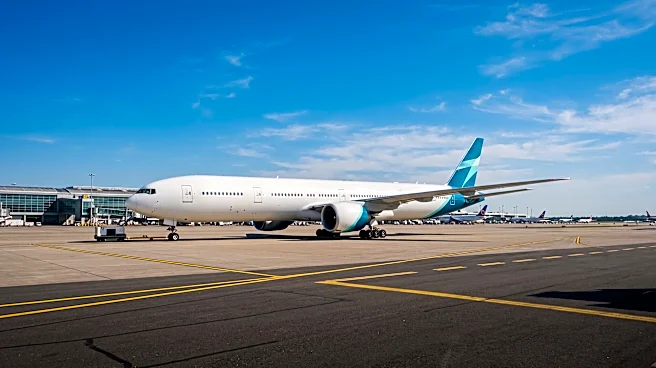
Philippine Airlines (PAL) has announced cancellations and rescheduling of several flights in and out of Manila's Ninoy Aquino International Airport between November 14 and 18, 2026. These adjustments are in preparation for the 49th ASEAN Summit and related
meetings, which are officially scheduled to take place in Metro Manila from November 16 to 18. The airline's operational window for disruptions begins two days prior to the summit due to anticipated increased airport movements from arriving delegates. PAL's advisory, issued on October 30, offers affected passengers options for free rebooking, a full refund, or conversion to a travel fund. Both domestic and international services are impacted, with specific flight numbers for destinations like Melbourne, Hong Kong, Jinjiang, Xiamen, Sydney, Singapore, and Denpasar listed among the affected routes. PAL is coordinating with relevant aviation authorities and advises passengers to check their exact flight status and allow extra time for airport travel due to potential road closures and heightened security.
Why It's Important?
The flight adjustments by Philippine Airlines highlight the significant logistical and operational challenges posed by major international diplomatic events. For U.S. travelers and businesses operating in the Asia-Pacific region, these changes could lead to travel disruptions, increased costs, and potential delays in business operations. The ASEAN Summit is a critical forum for regional diplomacy, often involving high-level U.S. representation, and the associated travel complexities can affect the participation and efficiency of U.S. delegates and business leaders. The need for airlines to make such extensive changes underscores the scale of security and logistical preparations required for events hosting numerous heads of state and government officials. This situation also serves as a reminder for international travelers to remain vigilant about potential travel disruptions during significant global events and to plan accordingly to mitigate impacts on their schedules and commitments.
What's Next?
Passengers with flights scheduled between November 14 and 18 are advised to actively monitor Philippine Airlines' official channels for the most current information regarding their specific flight numbers. PAL has committed to notifying affected passengers via email and SMS, but proactive checking of the airline's Flight Status page and using the 'Manage Booking' feature is recommended. Travelers should carefully review the options provided—rebooking, refund, or travel fund—considering their individual travel needs and the terms and conditions associated with each choice. Additionally, those with connecting flights or onward travel arrangements should contact all relevant service providers to adjust their itineraries. As the summit dates approach, further updates on airport access, road closures, and security protocols are expected, which could impact ground transportation to and from the airport.
Beyond the Headlines
The preemptive flight adjustments by Philippine Airlines reflect a broader trend of how large-scale international gatherings, particularly those involving high-level political figures, can ripple through various sectors, including commercial aviation and local infrastructure. Beyond the immediate inconvenience to travelers, such events often necessitate a temporary reordering of public services and commercial operations to ensure security and facilitate diplomatic activities. This situation also subtly highlights the economic and political influence of host nations, as they temporarily command significant logistical resources and attention. For the Philippines, hosting the ASEAN Summit is a moment of regional prominence, but it comes with the responsibility of managing complex operational impacts, demonstrating the intricate balance between national prestige and practical public management. The incident also underscores the increasing interconnectedness of global travel and diplomacy, where a political event in one country can have tangible effects on international travel networks.