

What's Happening?
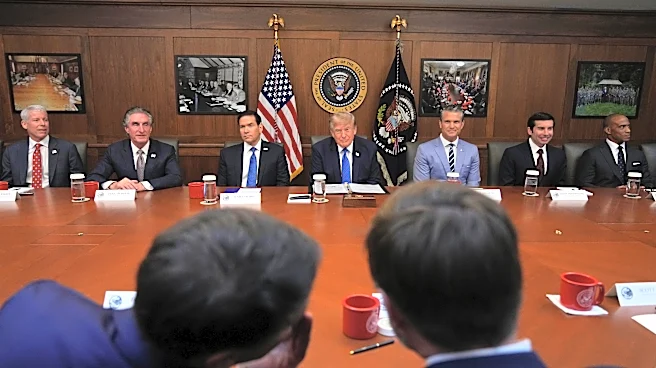
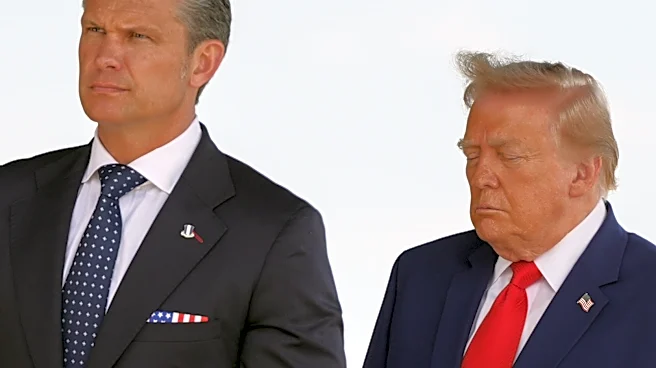
President Trump's administration is moving forward with a nuclear deal with Saudi Arabia, allowing the kingdom to produce weapons-grade uranium and plutonium. This decision has raised concerns about a potential nuclear arms race in the Middle East. Critics,
including former Senator Marco Rubio, have argued that the deal lacks necessary safeguards and could undermine U.S. efforts to prevent nuclear proliferation. The deal does not include the International Atomic Energy Agency's Additional Protocol, which is considered the strongest inspection standard. The agreement has been linked to Saudi Arabia normalizing relations with Israel, but this condition is reportedly not included in the deal's text.
Why It's Important?
The nuclear deal with Saudi Arabia could destabilize the Middle East by prompting other countries, such as Iran, Egypt, and Turkey, to pursue similar capabilities. This could lead to increased regional tensions and a heightened risk of nuclear conflict. The deal also contradicts U.S. efforts to prevent Iran from developing nuclear weapons, potentially weakening America's negotiating position. The lack of stringent inspections raises concerns about the potential for nuclear proliferation and the security implications for the U.S. and its allies.
What's Next?
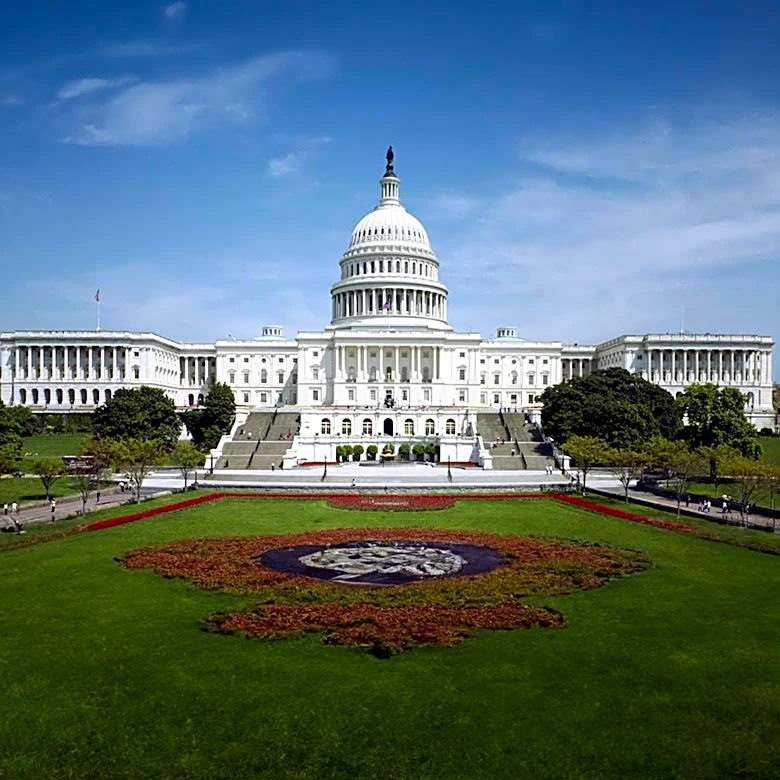
Congress may intervene to block the deal, citing the risks of nuclear proliferation and regional instability. The international community will likely scrutinize the agreement, and its impact on U.S.-Saudi relations and Middle East geopolitics will be closely monitored. The deal's progression could influence future diplomatic efforts with Iran and other regional powers. The U.S. administration will need to address these concerns to maintain its leadership role in global nonproliferation efforts.