







What's Happening?
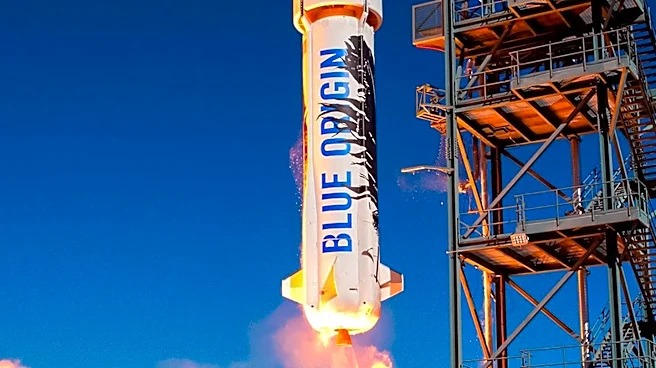
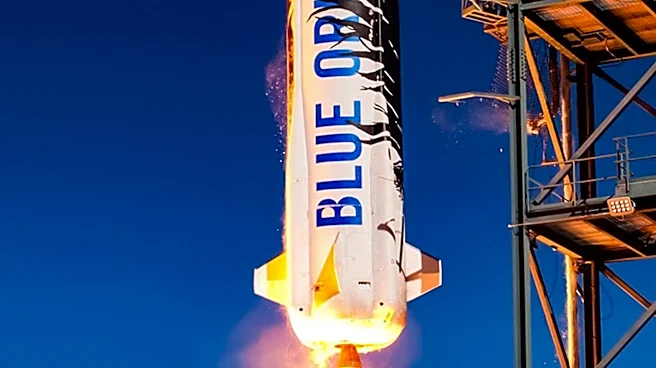
China has successfully landed the booster stage of its Long March-10B reusable rocket, marking a significant milestone in its space program. This achievement places China alongside SpaceX and Blue Origin as one of the few entities capable of landing a rocket booster.
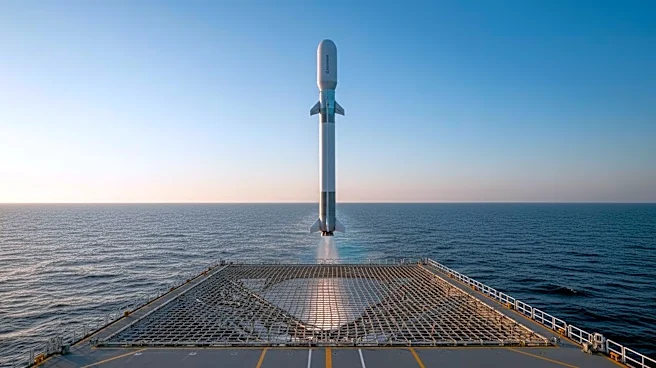
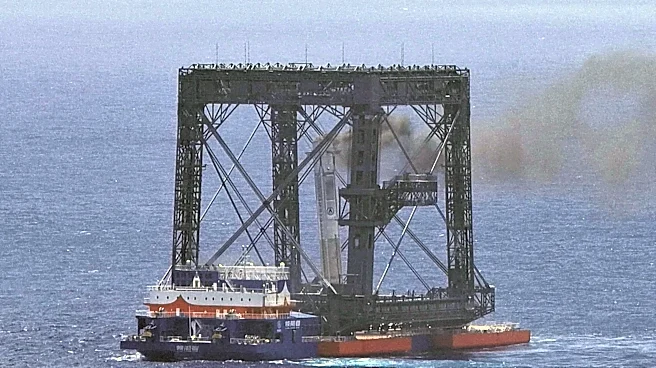
The Long March rocket's first stage was recovered using a sea-based net, reportedly the world's first 'net-based recovery' of a rocket. This development is part of China's broader strategy to enhance its reusable launch capabilities and compete with SpaceX's Starlink satellite internet service. China's state-backed company, SpaceSail, has launched around 200 satellites since 2024, aiming to rival SpaceX's extensive satellite network.
Why It's Important?
China's successful landing of a reusable rocket booster represents a major advancement in its space capabilities, potentially reducing launch costs and increasing the frequency of space missions. This development challenges SpaceX's dominance in the reusable rocket market and could lead to increased competition in the aerospace industry. China's efforts to build a rival satellite internet service could impact global telecommunications, offering alternative options to SpaceX's Starlink. The competition between these space powers may drive innovation and technological advancements, benefiting the broader space exploration sector.
What's Next?
China is likely to continue developing its reusable rocket technology and expanding its satellite network. The success of the Long March-10B booster landing could lead to more frequent and cost-effective launches, enhancing China's position in the global space race. As China and SpaceX compete for dominance, other countries and companies may also accelerate their space exploration efforts. The outcome of this competition could shape the future of space travel and satellite communications, influencing international policies and collaborations.