








What's Happening?
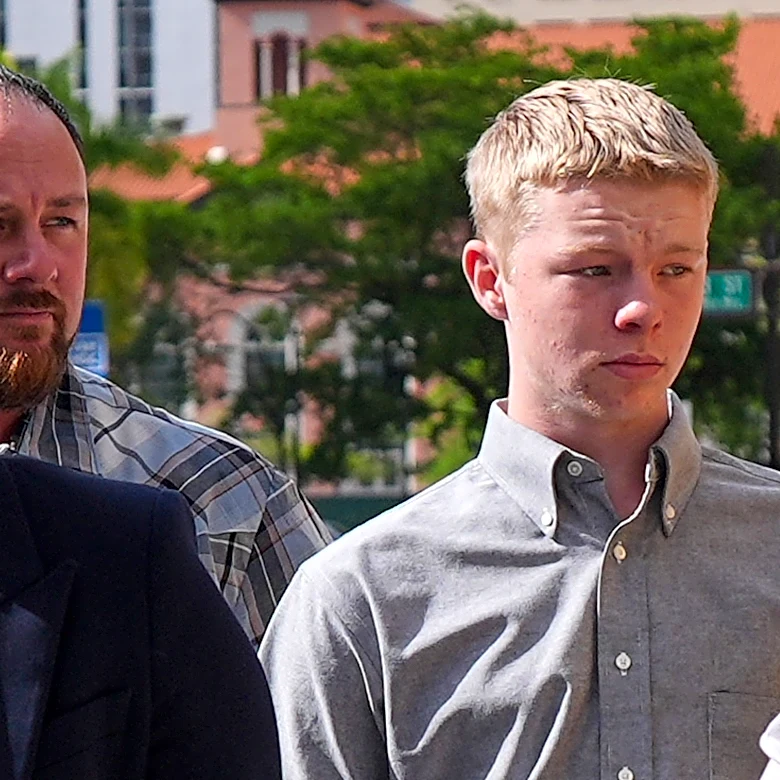
Luigi Mangione, a 28-year-old accused of murdering Brian Thompson, a health insurance executive, is facing a key pretrial hearing in Manhattan. Mangione, who has pleaded not guilty, is gaining significant public support, with a legal defense fund exceeding
$1.5 million from over 42,000 donors. His popularity, partly attributed to his appearance, is complicating the legal proceedings. Legal experts express concern that this public support could influence jury deliberations. Mangione's case has sparked discussions about the U.S. healthcare system, as his writings allegedly express hostility towards the industry. His supporters view him as a folk hero, drawing comparisons to figures like Che Guevara.
Why It's Important?
The case highlights the intersection of legal proceedings and public opinion, raising questions about the influence of social media and public perception on the justice system. Mangione's case is emblematic of broader societal frustrations with the U.S. healthcare system, potentially impacting public discourse and policy. The support he receives underscores a cultural phenomenon where individuals accused of crimes can become symbols of larger political or social movements. This situation poses challenges for the legal system in ensuring fair trials amidst widespread public sentiment.
What's Next?
Mangione's state trial is set to begin in September, with a federal trial scheduled for next year. The outcome of these trials could have significant implications for public trust in the legal system and the handling of high-profile cases. Legal teams on both sides are preparing for a complex trial process, with jury selection being a critical phase due to Mangione's popularity. The trials will test the ability of the legal system to remain impartial in the face of intense public interest and media coverage.
Beyond the Headlines
The case raises ethical questions about the role of media and public opinion in legal proceedings. It also highlights the potential for individuals to become symbols of resistance against perceived systemic injustices. The cultural and political dimensions of Mangione's support suggest a shift in how society views justice and accountability, particularly in relation to powerful industries like healthcare. This case may influence future legal strategies and public relations efforts in high-profile cases.