





What's Happening?
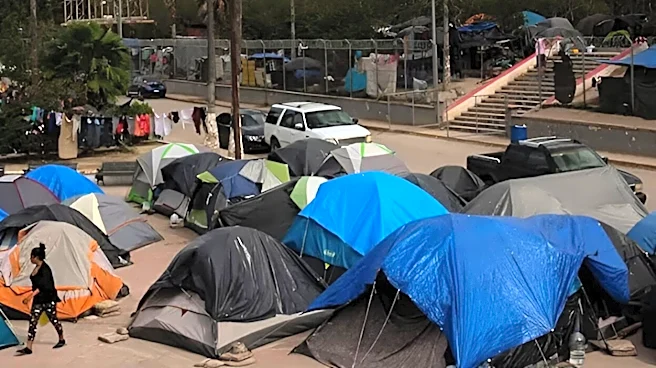
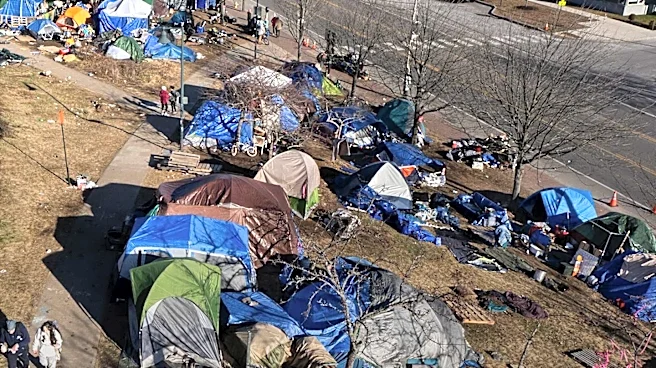
U.S. Representative Tom Tiffany has criticized the city of Madison for spending what he describes as 'hundreds of thousands of dollars' to support an illegal encampment. According to Tiffany, the encampment is blocking streets, disrupting businesses,
and hindering emergency access. The city has reportedly provided services such as porta-potties and trash collection to sustain the encampment. This criticism comes in the context of Tiffany's campaign for the Republican nomination for Wisconsin governor. The encampment formed following a police shooting incident in Madison, which has sparked public debate and financial scrutiny. Madison Mayor Satya Rhodes-Conway has acknowledged the financial toll of the encampment, estimating costs in the hundreds of thousands, primarily due to staff overtime. The city plans to release a final accounting of the costs, which may require a budget amendment.
Why It's Important?
The issue highlights the ongoing debate over public spending and law enforcement in urban areas. Tiffany's criticism reflects broader political tensions regarding how cities manage homelessness and public safety. The financial implications for Madison could influence local policy and budget priorities, potentially affecting public services and infrastructure. As Tiffany is a gubernatorial candidate, his stance may resonate with voters concerned about fiscal responsibility and public safety, impacting his political campaign. The situation also underscores the challenges cities face in balancing humanitarian concerns with public order and fiscal constraints.
What's Next?
Madison's city officials are expected to release a detailed report on the encampment's costs, which could lead to further political and public scrutiny. Depending on the findings, there may be calls for policy changes or budget adjustments. Tiffany's campaign may continue to leverage this issue to appeal to voters who prioritize law and order and fiscal conservatism. The outcome of the gubernatorial race could influence how similar issues are addressed statewide in Wisconsin.