

What's Happening?
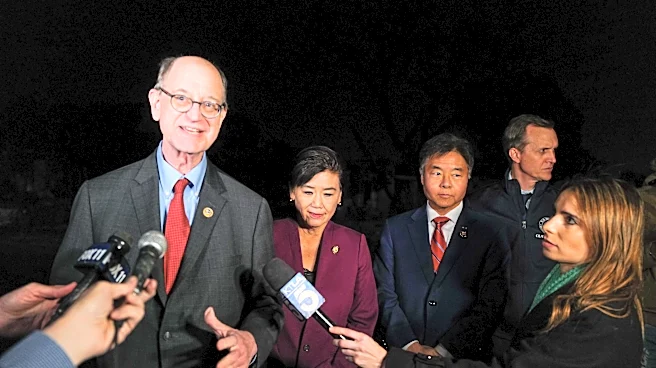
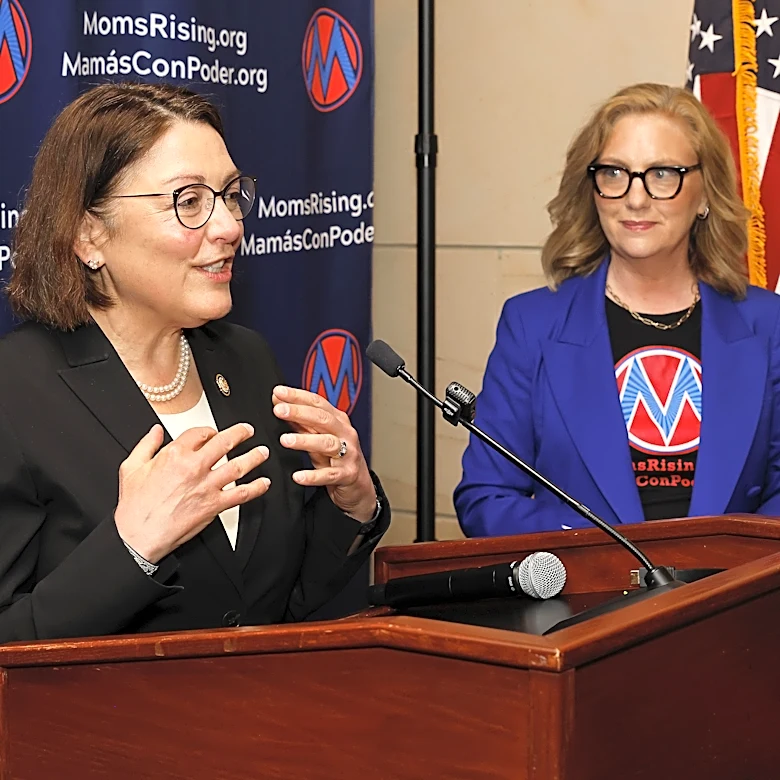
Representative Marie Gluesenkamp Perez has introduced the Limiting Intense Glare for Highway and Two-lane Safety (LIGHT) Act (H.R. 7772), a bill aimed at establishing the first federal limits on vehicle headlight brightness in the United States. The proposed
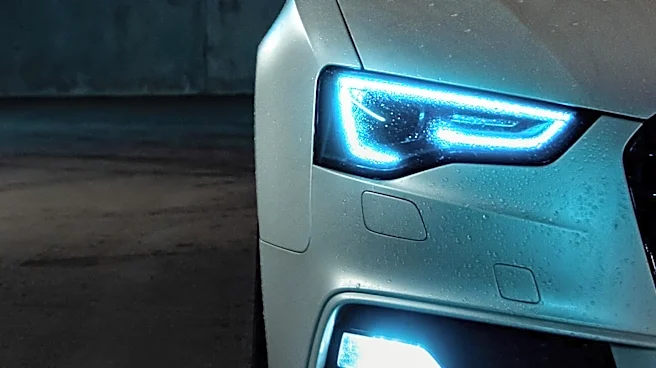
legislation would mandate the Department of Transportation, through the National Highway Traffic Safety Administration (NHTSA), to revise federal headlight standards within one year of the bill becoming law. This new rule would require setting a maximum brightness level for low-beam headlights, measured in lumens or another unit chosen by regulators. The initiative comes as headlight glare has become a significant concern for drivers, with bright LED headlights now present in over 80% of new vehicles. A March AAA survey indicated that six out of ten drivers experience headlight glare as a problem after dark, and 73% believe the issue has worsened over the past decade. Representative Gluesenkamp Perez noted that this issue particularly affects rural Americans, older individuals, and law enforcement.
Why It's Important?
The introduction of the LIGHT Safety Act addresses a widespread public safety and comfort concern for American drivers. The increasing prevalence of intensely bright LED headlights has led to a significant rise in complaints about glare, which can temporarily impair vision and potentially contribute to hazardous driving conditions, especially at night. By directing NHTSA to establish federal brightness limits, the bill aims to standardize headlight intensity, thereby reducing glare and improving road safety for all drivers. This legislation could lead to a tangible improvement in nighttime driving experiences, benefiting a broad demographic, including older drivers who may be more sensitive to glare and those in rural areas where unlit roads make glare more pronounced. The bill also signals a legislative response to consumer complaints that have been growing for years, indicating a recognition of the issue at a federal level.
What's Next?
The LIGHT Safety Act is currently a bill and must navigate the legislative process to become law. If passed, the Department of Transportation and NHTSA would be tasked with developing and implementing the new federal headlight standard within a year. This process would involve technical evaluations to determine appropriate maximum brightness levels, potentially considering factors like beam pattern and color temperature in addition to lumens. Regulators would need to consult with automotive manufacturers, safety experts, and potentially the public to establish a comprehensive and effective standard. The automotive industry would then need to adapt to these new regulations, which could influence future vehicle design and manufacturing processes. Drivers can anticipate a potential future where new vehicles adhere to these federal brightness limits, leading to a reduction in headlight glare on U.S. roads.
Beyond the Headlines
The debate over headlight brightness extends beyond immediate safety concerns to broader implications for automotive design, regulatory frameworks, and consumer expectations. The proliferation of brighter LED headlights reflects advancements in lighting technology, offering improved visibility for the driver of the equipped vehicle. However, the lack of standardized limits has created an externality where one driver's enhanced visibility can compromise another's safety and comfort. This bill highlights the ongoing challenge of balancing technological innovation with public welfare and regulatory oversight. It also underscores the role of consumer feedback and surveys, like those conducted by AAA, in prompting legislative action on issues that affect daily life. The eventual implementation of such a standard could set a precedent for how future automotive technologies are regulated to ensure they benefit all road users, not just those adopting the latest innovations.