




What's Happening?
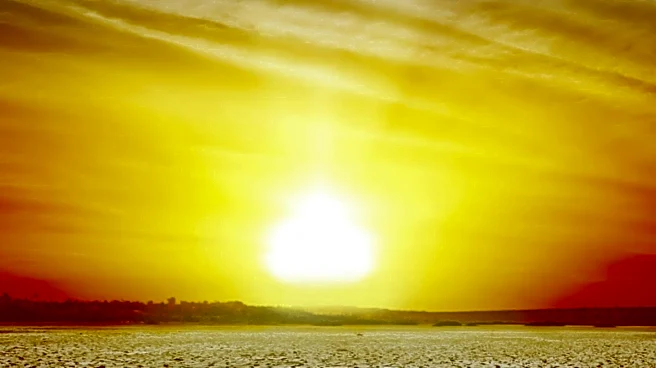
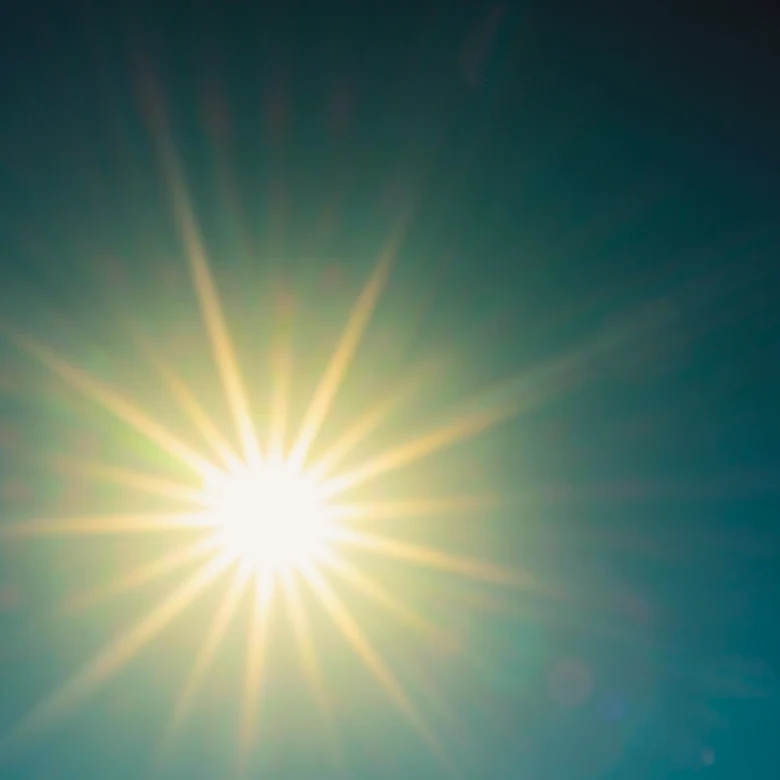
A dangerous heatwave is peaking across the Western U.S., with Extreme Heat Warnings issued for parts of Arizona, California, Nevada, and Utah. Temperatures in the Mojave Desert are forecast to reach between 110°F and 120°F, with Reno and Salt Lake City
already setting daily high-temperature records. The National Weather Service has issued advisories urging residents to stay hydrated and limit outdoor activities. The heatwave is expected to continue through August 9, with nighttime temperatures remaining high, exacerbating heat exposure risks.
Why It's Important?
The heatwave poses significant health risks, particularly for vulnerable populations such as the elderly and those without access to air conditioning. It also strains power grids and increases the risk of wildfires, which can lead to further environmental and economic damage. The event underscores the broader impacts of climate change, as such extreme weather patterns become more frequent and severe. The heatwave's impact on agriculture, water resources, and public health systems highlights the need for comprehensive climate adaptation strategies.
What's Next?
As the heatwave continues, authorities are likely to maintain or extend heat advisories and warnings. Emergency services may be mobilized to assist vulnerable populations, and power companies might implement measures to manage increased electricity demand. Long-term, this event could prompt discussions on infrastructure improvements and policy changes to better prepare for future heatwaves. Public awareness campaigns may also be intensified to educate communities on heat safety measures.