




What's Happening?
Arizona is experiencing an outbreak of the New World screwworm, with six confirmed cases concentrated in the southeastern part of the state. This outbreak has led at least nine other states to implement new travel requirements for pets and service animals
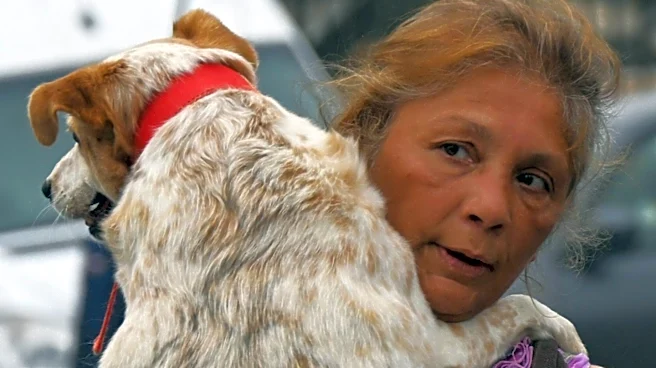
originating from Arizona. These states now mandate that animals from Arizona undergo a veterinary inspection and receive clearance a few days prior to entry. The confirmed cases in Arizona include a horse in Cochise County, a dog in Graham County, a sheep and a horse in Greenlee County, and another dog and horse in Cochise County. The new regulations are creating unexpected financial burdens and logistical challenges for pet owners, particularly with the upcoming holiday travel season. Some owners report additional veterinary expenses of $300 or more, along with scheduling hurdles.
Why It's Important?
The New World screwworm outbreak poses a significant threat to animal health and agriculture, as these parasites can infest livestock and pets, causing severe damage and potentially death if untreated. The imposition of travel restrictions by nine states underscores the seriousness of the outbreak and the proactive measures being taken to prevent its spread across state lines. This situation has direct economic impacts on pet owners due to increased veterinary costs and travel complications, potentially affecting holiday plans and essential travel for individuals with service animals. For the agricultural sector, a widespread screwworm infestation could lead to substantial economic losses through livestock illness and mortality. The response highlights the interconnectedness of animal health regulations and their broader implications for interstate commerce and personal travel.
What's Next?
Arizona and federal agricultural agencies will continue efforts to contain and eradicate the New World screwworm outbreak within the state. This will likely involve ongoing surveillance, treatment of affected animals, and public awareness campaigns for livestock and pet owners. Other states may consider implementing similar travel restrictions if the outbreak is not brought under control or if new cases emerge. Pet owners planning to travel from Arizona will need to consult the specific entry requirements of their destination state and schedule veterinary appointments accordingly, potentially incurring additional costs and planning time. The USDA website is a recommended resource for travelers to check specific state requirements. The situation will likely remain dynamic, with potential adjustments to travel rules based on the progression of the outbreak.
Beyond the Headlines
The screwworm outbreak in Arizona highlights the constant vigilance required to protect U.S. animal health and agricultural industries from invasive pests and diseases. Historically, the New World screwworm was eradicated from the U.S. decades ago, making this resurgence a significant concern and a reminder of the fragility of such victories. This event underscores the importance of robust animal health surveillance systems and rapid response mechanisms. It also brings to light the often-unseen costs and inconveniences that biosecurity measures can impose on ordinary citizens, particularly pet owners. The ethical dimension of balancing public health and agricultural protection with individual freedoms and financial burdens for pet owners is also evident. This situation could prompt broader discussions on funding for animal disease prevention and response, as well as the need for standardized interstate animal health regulations.