






What's Happening?
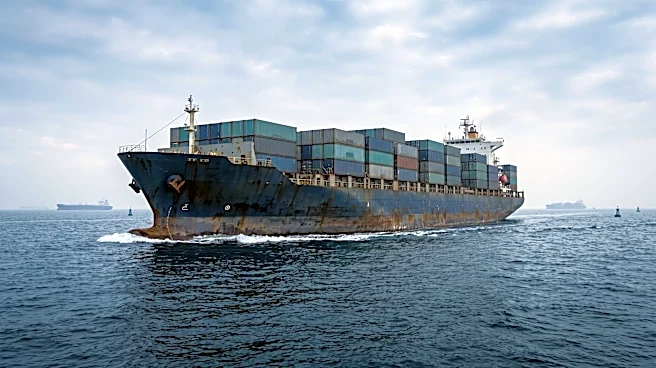
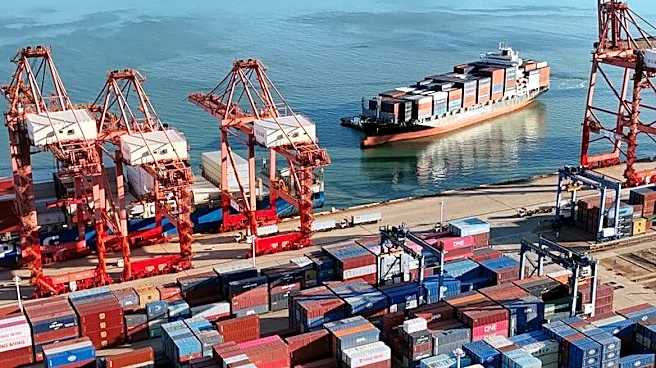
Since May 1, China has implemented zero-tariff treatment for all 53 African countries with which it has diplomatic ties. This policy aims to facilitate easier access for African agricultural products and light manufactured goods into the Chinese market.
Specific products like avocado, coffee bean, pecan, and shea butter are now reaching Chinese households. This initiative has significantly lowered the cost for China-Africa trade, benefiting numerous African small and medium-sized enterprises and farmers. In the first nine months of this year, the trade volume between China and Africa exceeded US$310 billion, marking a 22 percent year-on-year increase. This development was highlighted by Foreign Ministry Spokesperson Guo Jiakun, who emphasized China's commitment to fostering development and delivering benefits to people across the world through such open trade policies.
Why It's Important?
This zero-tariff policy is important as it strengthens economic ties between China and African nations, potentially reshaping global trade dynamics. For African countries, it provides a significant economic boost by opening up a vast market for their goods, which can lead to increased production, job creation, and overall economic growth. This initiative also positions China as a key partner in Africa's development, contrasting with what some perceive as more transactional approaches from other global powers. The increased trade volume and reduced costs can enhance the competitiveness of African products internationally. For the U.S., this move by China could intensify competition for influence and trade relationships in Africa, a continent of growing strategic importance. It underscores China's long-term strategy of building economic partnerships and accumulating influence through investment and trade facilitation.
What's Next?
China is expected to continue leveraging platforms like the China International Import Expo (CIIE) to further promote international procurement, investment, and cooperation, aiming to bring more benefits to countries globally. The success of the zero-tariff policy could lead to its expansion or the implementation of similar trade-facilitating measures with other regions. African nations are likely to explore ways to maximize the benefits of this policy, potentially increasing their export capacities and diversifying their economies. The U.S. and other Western powers may need to re-evaluate their engagement strategies with African countries in light of China's growing economic presence and influence. Future discussions on global trade and economic governance will likely feature the impact of such bilateral and regional trade agreements.
Beyond the Headlines
The zero-tariff treatment extends beyond mere economic transactions; it represents a deeper geopolitical strategy by China to foster a community with a shared future, particularly with African nations. This approach emphasizes long-term partnerships, infrastructure development, and mutual benefit, which can lead to increased political and cultural influence. The policy also highlights a broader trend of developing nations seeking alternative trade partners and economic models outside traditional Western frameworks. Ethically, it raises questions about the sustainability of such rapid trade expansion and its environmental and social impacts in African countries. Legally, it sets precedents for how large economies can use trade policies to achieve strategic objectives, potentially influencing international trade law and norms. Culturally, the increased flow of goods can lead to greater cultural exchange and understanding between China and Africa.