






What's Happening?
A husband-and-wife architectural team, Laurie and Bob Davis of Davis Davis Architects, are set to introduce La Vie Lumière, a community of 15 net-zero luxury townhomes in Old Town Fort Collins, Colorado, in 2026. The project aims to demonstrate that high-end
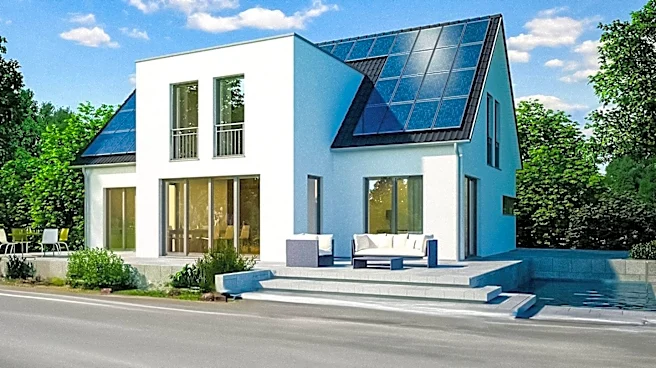
living can be achieved while adhering to strong environmental principles. The development, located at the former Community of Christ Church site, incorporates European design philosophies with Colorado's sustainability goals. Features include geothermal heating and cooling, solar panels, induction stoves, extra-thick walls with cellulose and rockwool insulation, triple-glazed windows, and energy recovery ventilators (ERVs) for optimal indoor air quality. The design maximizes natural light through floor-to-ceiling French windows and ten-foot ceilings, drawing inspiration from Finnish architect Alvar Aalto. The project is targeting LEED Platinum certification, U.S. Department of Energy Zero Energy Ready Home, and U.S. EPA WaterSense standards. Construction began in 2025, with completion estimated for 2026.
Why It's Important?
This development is significant for the U.S. real estate and construction industries as it sets a new benchmark for luxury sustainable living. It demonstrates that net-zero energy homes are not only feasible but can also be integrated into high-end residential markets, challenging the perception that sustainable building compromises aesthetics or comfort. For Fort Collins, it aligns with the city's ambitious climate goals, including achieving carbon neutrality by 2050 and 100% renewable electricity by 2030, potentially serving as a model for future urban developments. The project's use of advanced sustainable technologies and materials, such as rockwool insulation and energy recovery ventilators, could drive demand for these products and encourage broader adoption across the construction sector. Furthermore, the emphasis on circular economy principles during demolition, by salvaging and reusing materials, highlights a responsible approach to resource management that could influence industry practices nationwide, reducing landfill waste and creating local labor opportunities. This initiative benefits environmentally conscious buyers and contributes to a healthier, more sustainable built environment.
What's Next?
The completion and occupancy of La Vie Lumière in 2026 will provide a tangible example of luxury net-zero living, potentially influencing future residential developments in Fort Collins and other U.S. cities. The success of this project, particularly its LEED Platinum certification and net-zero energy status, could encourage other developers to pursue similar ambitious sustainability goals. The architects are exploring Fort Collins’ shared energy system (SES) to optimize solar power distribution, which, if successful, could become a model for community-wide renewable energy integration. The project's commitment to sustainable construction practices, including material salvaging and recycling, may inspire more widespread adoption of circular economy principles in demolition and construction. Potential reactions from major stakeholders include increased interest from environmentally conscious homebuyers, greater investment in sustainable building technologies by developers, and possibly new incentives or regulations from local governments to promote similar projects. The development will also serve as a case study for how European design influences can be successfully integrated with U.S. sustainability objectives.
Beyond the Headlines
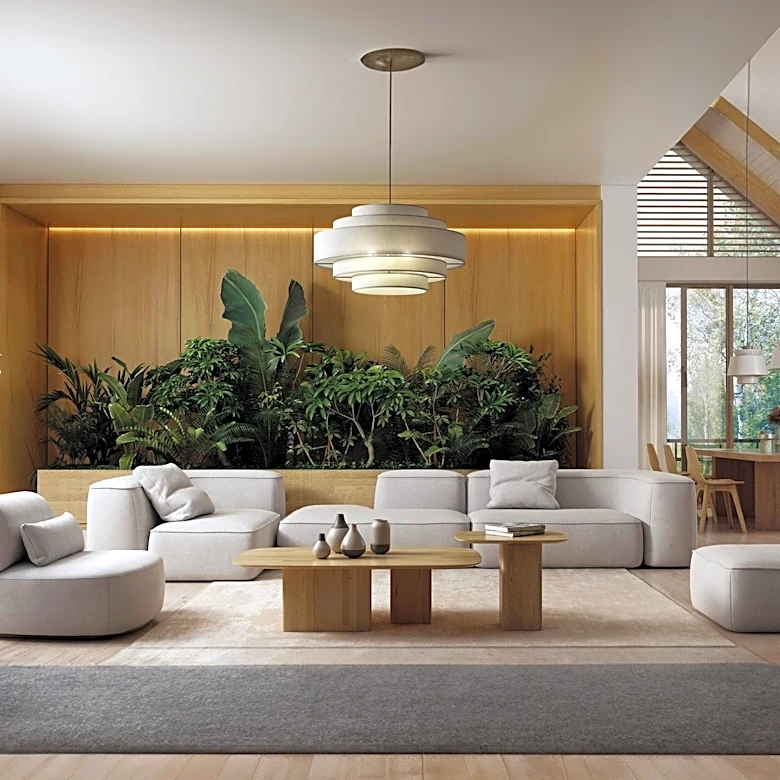
La Vie Lumière's development carries deeper implications beyond its immediate environmental and economic benefits. Ethically, it underscores the responsibility of architects and developers to address the climate crisis through their work, promoting a stewardship mindset for global resources. The project's focus on maximizing natural light and creating healthy indoor environments speaks to a growing understanding of the profound impact of built spaces on human well-being, moving beyond mere functionality to foster a sense of connection with nature and community. Culturally, it reflects a shift in consumer values, where luxury is increasingly defined not just by opulence but by sustainability, health, and a reduced environmental footprint. This could lead to a broader societal re-evaluation of what constitutes 'quality of life' and 'modern living.' The project also highlights the potential for local communities and utilities to collaborate effectively on climate action, demonstrating how progressive policies and incentives can accelerate the transition to a sustainable future. This development could trigger long-term shifts in urban planning, encouraging more compact, community-oriented living that balances private comfort with public life and environmental responsibility.