


What's Happening?
Owning peacocks in Maine is permissible under state law, which classifies them as domesticated poultry rather than restricted exotic species. However, the legality and practicalities of keeping peafowl are significantly influenced by local ordinances,
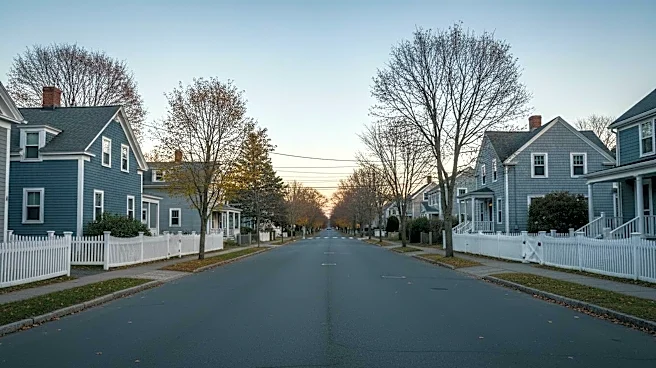
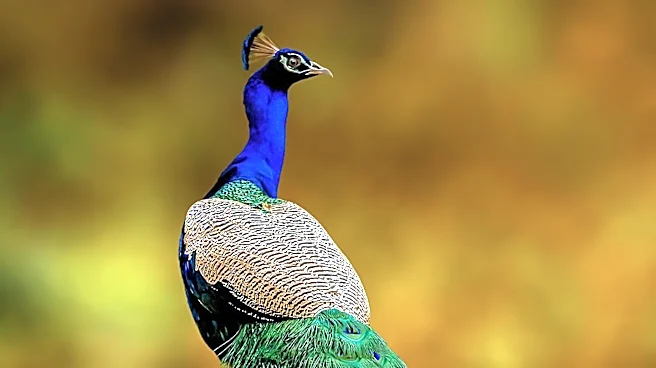
homeowners association (HOA) covenants, and zoning classifications. While the state does not require specific permits for personal ownership of peafowl, local regulations often dictate flock sizes, noise restrictions, and whether such birds are allowed in residential areas. For instance, a peacock in a rural setting outside Bangor faces different rules than one in a dense urban neighborhood in Portland. The Indian blue peafowl, commonly kept in the U.S., is known for its hardiness, making it suitable for Maine's climate. These birds are also valued for their watchdog capabilities and pest control, consuming insects, snakes, amphibians, and rodents. Despite their benefits, their loud calls, which can exceed 100 decibels, are a primary source of neighbor complaints and potential legal disputes.
Why It's Important?
The nuanced regulatory landscape for peacock ownership in Maine highlights a broader trend in animal control, where state-level permissiveness is often superseded by local governance and community standards. This situation impacts potential owners by requiring extensive research into municipal codes, HOA rules, and zoning laws before acquiring peafowl. For communities, the issue underscores the balance between individual property rights and collective peace, particularly concerning noise and potential nuisances. The classification of peafowl as poultry rather than exotic animals simplifies state-level permitting but shifts the burden of regulation to local authorities, leading to a patchwork of rules across different towns and counties. This can create confusion for residents and challenges for animal control officers, who must navigate varying interpretations of what constitutes acceptable animal keeping. The economic implications include the cost of the birds themselves, which can range from $75 for a newly hatched chick to over $500 for specific color variations, making them a significant investment for owners.
What's Next?
Prospective peacock owners in Maine will need to conduct thorough due diligence by contacting their town offices, code enforcement, or clerks to understand specific local ordinances regarding fowl. This includes inquiring about flock size limits, rooster policies, and any permit requirements. Additionally, individuals residing in planned communities must review their HOA's covenants, conditions, and restrictions, as these often hold more sway than government regulations. Given that noise is the most frequent cause of disputes, owners may need to consider strategies to mitigate sound, such as keeping only peahens, which are quieter than males. Local authorities may see an increase in nuisance complaints related to peafowl, potentially leading to more stringent local ordinances or enforcement actions, including fines or orders for bird removal in cases of repeated violations.
Beyond the Headlines
The case of peacock ownership in Maine reflects a deeper societal tension between rural and urban lifestyles, where traditional agricultural practices meet modern residential expectations. The ability of a peacock to thrive in Maine's climate and its utility as a watchdog and pest controller connect to the state's agricultural heritage. However, the loud calls of these birds in increasingly suburbanized areas bring to light conflicts over noise pollution and quality of life. This situation also touches upon the evolving definition of 'pet' and 'livestock,' as animals traditionally associated with farms are now being considered for backyard ownership. The varying local regulations underscore the importance of community-specific governance in addressing issues that have both agricultural and residential implications, highlighting the need for clear communication and understanding between residents and local authorities to prevent disputes.