







What's Happening?
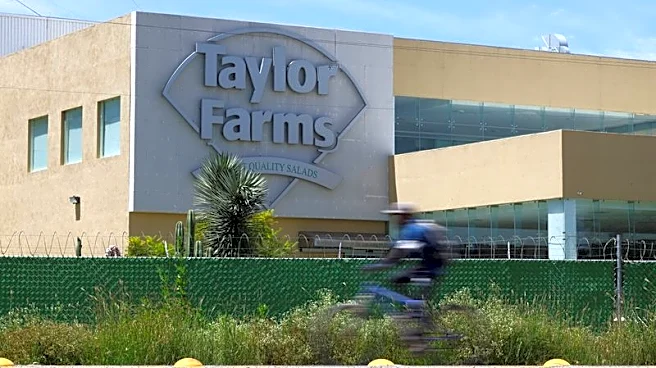
The U.S. is experiencing significant challenges in food safety due to recent cyclospora outbreaks, which have sickened thousands across multiple states. The outbreaks have raised concerns about the effectiveness of the current food safety monitoring system,
particularly the Foodborne Diseases Active Surveillance Network (FoodNet). Under President Trump's administration, there have been substantial cuts to public health funding, resulting in reduced staffing and resources for federal health agencies like the FDA and CDC. These cuts have led to a decrease in the number of food safety inspections and a reduction in the mandatory tracking of certain pathogens, including cyclospora and listeria. The changes have sparked criticism from food safety experts who warn that the lack of comprehensive surveillance could lead to more severe outbreaks in the future.
Why It's Important?
The reduction in food safety monitoring and inspections poses a significant risk to public health in the U.S. The cyclospora outbreaks highlight the vulnerabilities in the current system, which relies heavily on federal and state collaboration to detect and manage foodborne illnesses. The cuts to FoodNet and other surveillance programs could result in delayed identification and response to outbreaks, potentially leading to more widespread and severe health impacts. This situation underscores the need for robust public health infrastructure and adequate funding to ensure food safety and protect consumers. The ongoing challenges also raise questions about the balance between federal and state responsibilities in managing food safety and the potential consequences of shifting more responsibilities to under-resourced state agencies.
What's Next?
As the cyclospora outbreaks continue, there is a pressing need for federal agencies to reassess their food safety strategies and resource allocations. The FDA and CDC may need to explore alternative methods for enhancing surveillance and response capabilities, possibly through increased collaboration with state health departments and leveraging technology for better data collection and analysis. Additionally, there may be calls for legislative action to restore funding and staffing levels to ensure comprehensive food safety monitoring. Stakeholders, including public health advocates and industry leaders, are likely to push for reforms that address the current gaps in the system and prevent future outbreaks.