





What's Happening?
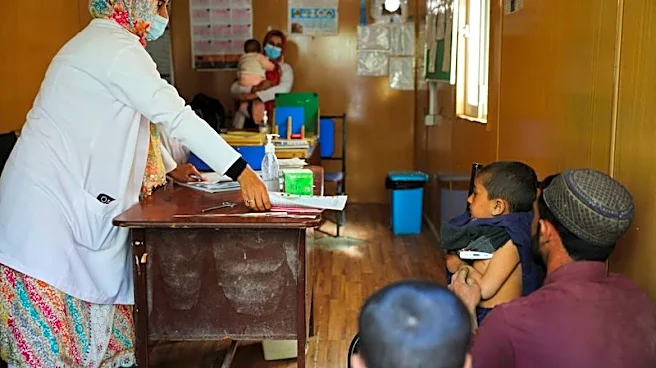
Female-headed households in Afghanistan are facing severe economic hardship, social pressure, and increased vulnerability to hunger, according to UN Women. Many women who have lost their husbands are forced into low-paying cleaning jobs to support their families,
enduring humiliating treatment and social judgment. Zainab, a pseudonymous individual, highlighted the immense difficulty of covering living costs for her four children while facing societal gossip due to her age. Another woman, Afsana, whose husband was killed five years ago, struggles to meet her five children's needs with a low bank salary, often working long hours. Sharara, another pseudonymous individual, was forced into marriage with her brother-in-law shortly after her husband's death, without her consent, and now faces mistreatment from his other wife. These accounts underscore the dire situation for women in Afghanistan, particularly those responsible for their households, who lack support and protective resources, making them more susceptible to insecurity and various forms of pressure.
Why It's Important?
The escalating challenges faced by female-headed households in Afghanistan have profound implications for human rights and humanitarian efforts. The UN Women's report emphasizes that these women and girls are at a heightened risk of hunger and various forms of pressure due to limited support and protective resources. This situation not only exacerbates existing gender inequalities but also undermines the stability and well-being of entire communities. The economic and social marginalization of these women can lead to long-term societal issues, including increased poverty, reduced access to education for children, and a cycle of vulnerability. The lack of job opportunities and the societal stigma associated with women working independently further restrict their ability to provide for their families, making them dependent on precarious and often exploitative labor. This systemic vulnerability highlights a critical humanitarian crisis that demands international attention and intervention to safeguard the fundamental rights and dignity of Afghan women.
Beyond the Headlines
The plight of female-headed households in Afghanistan extends beyond immediate economic and social challenges, touching upon deeper ethical and cultural dimensions. The forced marriages and societal judgments described in the report reveal a profound erosion of women's autonomy and human rights. The pressure on women to remarry, often without consent, and the subsequent mistreatment by in-laws, reflect deeply entrenched patriarchal norms that strip women of their agency and subject them to further abuse. The lack of educational and professional opportunities for women not only limits their economic independence but also perpetuates a cycle of illiteracy and dependence across generations. This situation raises critical questions about the international community's responsibility to protect vulnerable populations and uphold universal human rights in contexts where local governance fails to do so. Addressing these issues requires a multi-faceted approach that includes humanitarian aid, advocacy for women's rights, and long-term development initiatives aimed at empowering women and challenging discriminatory social structures.