






What's Happening?
A Tokyo District Court has issued a landmark ruling granting legal protection to the human voice, specifically in a case involving the unauthorized use of an AI-generated clone of a popular Japanese anime voice actor's voice. Kenjiro Tsuda, known for
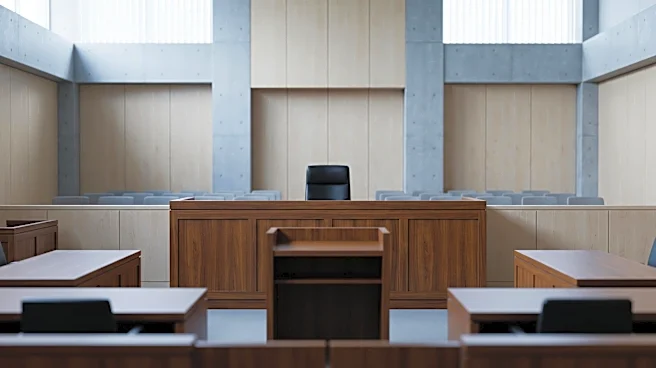
his distinctive baritone, sued TikTok over an account that used an AI clone of his voice to narrate over 180 videos about urban legends and paranormal phenomena, attracting over 200,000 subscribers. Presiding Judge Aya Takahashi stated that the human voice is symbolic of individual personality, akin to a portrait, and that the unauthorized use with commercial intent constitutes an infringement of publicity rights. While the court dismissed Tsuda's demand for video deletion because the account had already been closed, the decision marks the first acknowledgment of the right to one's voice in Japan, setting a precedent for voice actors concerned about AI cloning.
Why It's Important?
This ruling is a pivotal moment for intellectual property rights in the age of artificial intelligence, particularly for artists and creators whose voices are integral to their professional identity. It establishes a legal precedent that could influence similar cases globally, including in the U.S., where concerns about AI voice cloning are growing. For the entertainment industry, especially voice acting, this decision offers a new layer of protection against unauthorized AI replication, potentially leading to stricter regulations and licensing agreements for AI voice synthesis. It underscores the commercial value of a unique voice and the need to safeguard it from exploitation. The ruling also highlights the broader ethical and legal challenges posed by AI technologies, prompting discussions on how to balance technological advancement with individual rights and fair compensation for creative work. This could lead to new industry standards and legal frameworks for AI-generated content.
What's Next?
Following this landmark decision, it is anticipated that voice actors and other public figures in Japan and potentially beyond will seek similar legal protections against AI voice cloning. The ruling may encourage more individuals to pursue legal action against platforms or entities that use AI to replicate their voices without consent. This could lead to the development of more robust legal frameworks and industry guidelines for the ethical use of AI in creative fields. Technology companies developing AI voice synthesis tools may face increased pressure to implement safeguards and obtain explicit consent from individuals whose voices are used to train or generate AI models. Furthermore, the case could spark broader international discussions and collaborations on establishing global standards for voice rights in the digital age, influencing future legislation and court decisions in countries like the U.S. as they grapple with similar issues.
Beyond the Headlines
The Tokyo court's decision delves into the deeper philosophical question of what constitutes an individual's identity in the digital realm. By equating the human voice with a portrait as a symbol of personality, the ruling elevates voice to a fundamental aspect of personal identity deserving legal protection. This has significant ethical implications, suggesting that the essence of a person, beyond their physical appearance, can be digitally replicated and exploited. It raises questions about the future of human authenticity and the potential for AI to blur the lines between original and synthetic creations. The case also highlights the tension between technological innovation and individual rights, prompting a re-evaluation of existing intellectual property laws to accommodate the rapid advancements in AI. This could lead to a societal shift in how we perceive and value unique human attributes in an increasingly AI-driven world, fostering a greater appreciation for the irreplaceable nature of human creativity and expression.