



What's Happening?
Yuji Matsushin, a safety officer at the U.S. Army installation in Kure Pier 6, Japan, dedicates his personal time to educating international visitors about the history of Hiroshima. Matsushin, who has worked for the U.S. Army for 30 years, volunteers
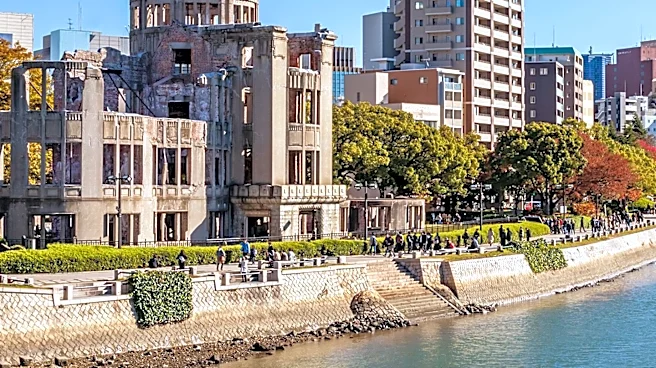
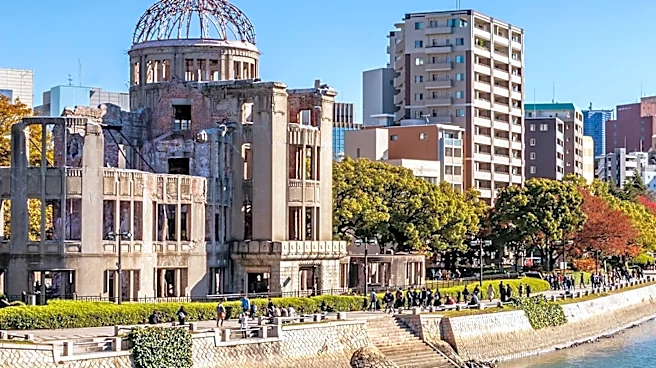
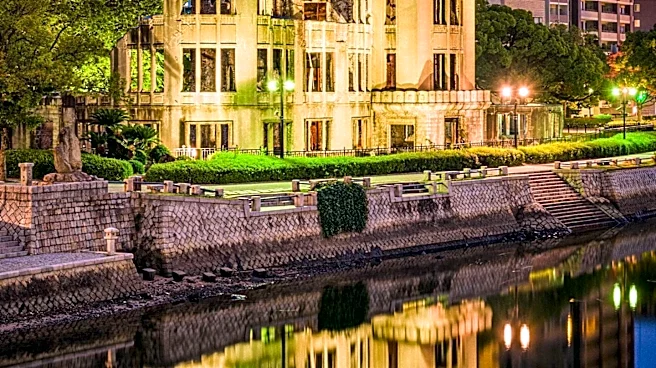
as an English-speaking tour guide on weekends. He leads tours through significant historical sites in Hiroshima, including the Hiroshima Peace Memorial Park and Miyajima Island. His motivation stems from a deep personal connection to the city's past; his mother was a toddler in Hiroshima in 1945, and his late uncle assisted survivors after the atomic bombing. Matsushin conducts approximately 10 tours monthly and has guided thousands of visitors from over 80 countries in the past decade. He views these interactions as opportunities to foster friendship and mutual understanding between Japan and the global community. In addition to his historical tours, Matsushin also contributes to community safety by visiting local kindergartens monthly to teach staff how to operate automated external defibrillators (AEDs), aiming to raise safety awareness.
Why It's Important?
Matsushin's efforts are significant as they contribute to preserving and disseminating the historical narrative of Hiroshima, particularly the human impact of the atomic bombing. By sharing personal and family stories, he provides a unique, local perspective that can deeply resonate with international visitors, fostering empathy and a greater understanding of the consequences of war. This initiative helps to ensure that the lessons of Hiroshima are not forgotten, promoting a message of peace and mutual understanding across cultures. His role as a bridge-builder between Japan and the global community, especially through interactions with U.S. military personnel and international tourists, strengthens bilateral relations and cultural exchange. Furthermore, his commitment to community safety through AED training highlights a broader dedication to public welfare, demonstrating how individuals can contribute to both historical education and practical community well-being.
What's Next?
Matsushin plans to continue expanding his safety programs on the U.S. Army base while maintaining his role as a volunteer tour guide. He aims to reach wider international audiences with Hiroshima's history, hoping that his 'small waves will gradually grow into a big wave' of understanding and peace. His ongoing efforts will likely continue to attract visitors seeking authentic local perspectives on Hiroshima's past. As international travel resumes and interest in historical sites persists, Matsushin's tours will remain a vital educational resource. His dedication suggests a sustained commitment to both his professional safety duties and his personal mission of historical preservation and community engagement, potentially inspiring others to take similar initiatives in their communities.
Beyond the Headlines
Matsushin's work transcends simple tour guiding; it represents a profound act of historical stewardship and reconciliation. By sharing his family's direct experience with the atomic bombing, he transforms abstract historical events into tangible human narratives, which is crucial for preventing historical amnesia. This personal approach to history fosters a deeper, more emotional connection for visitors, potentially influencing their perspectives on peace and conflict. His dual role as a safety officer and a historical guide also highlights the interconnectedness of physical safety and historical awareness—understanding past dangers can inform present precautions and future peace efforts. His commitment to building 'personal bridges of friendship' underscores the power of individual diplomacy in fostering international goodwill, demonstrating that grassroots efforts can significantly contribute to global understanding and peace-building.