




What's Happening?
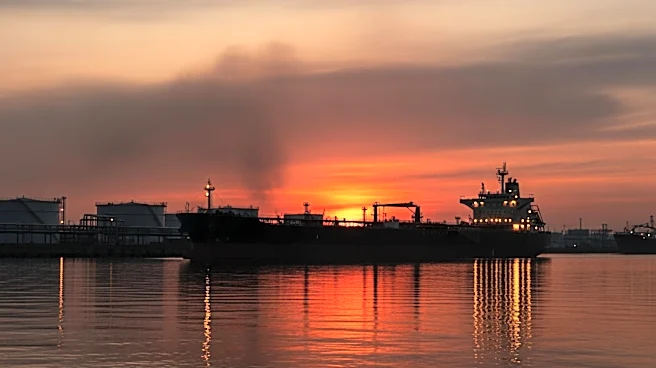
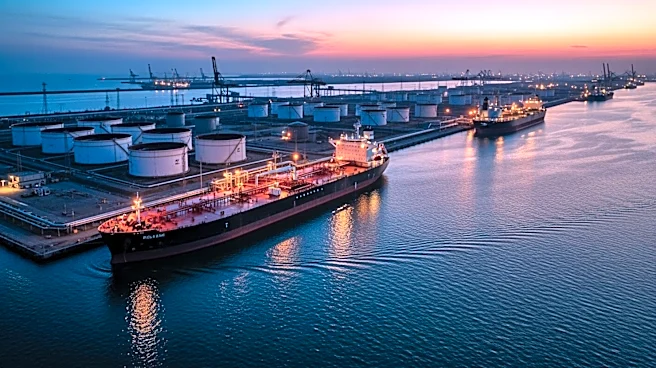
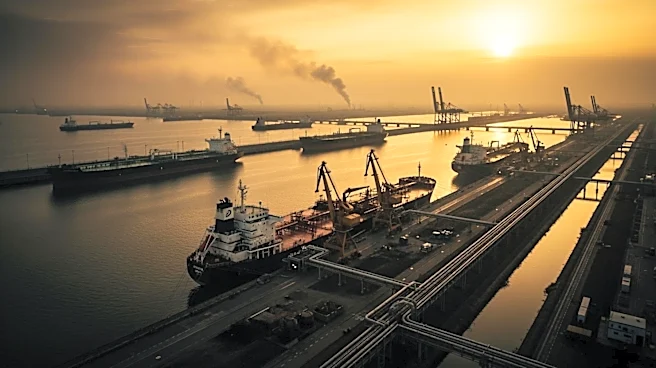
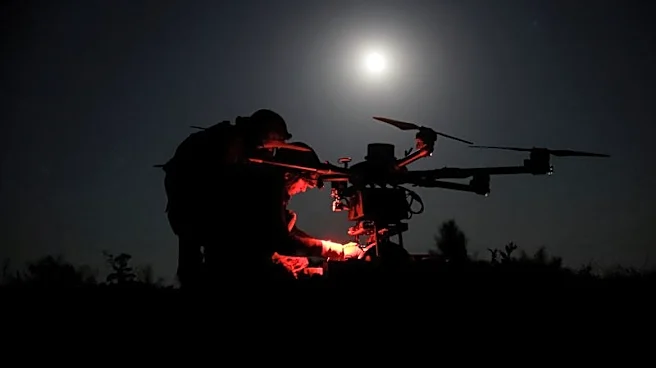
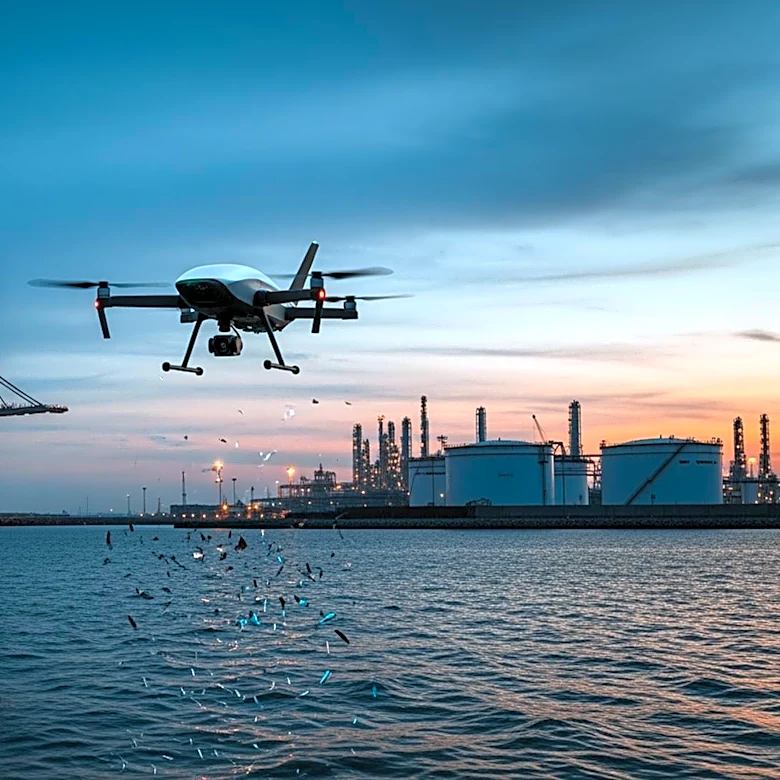
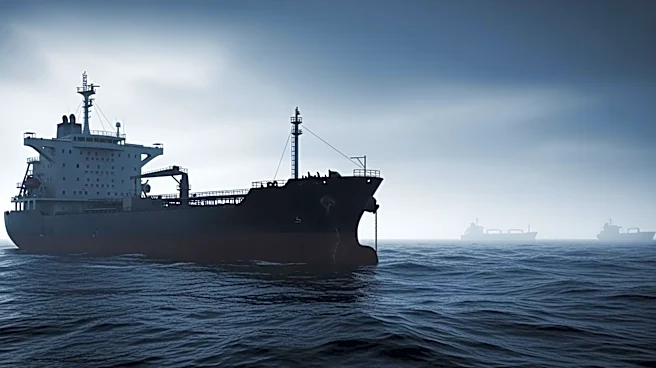
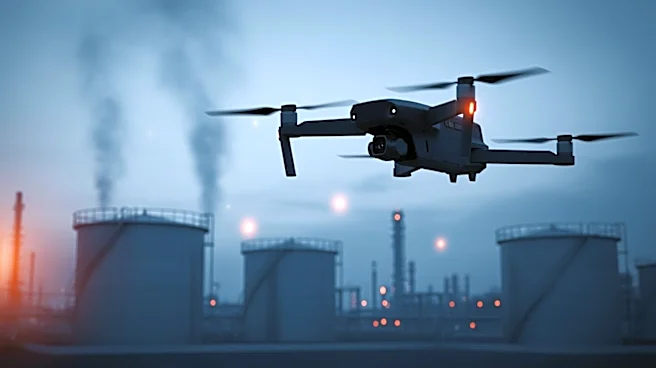
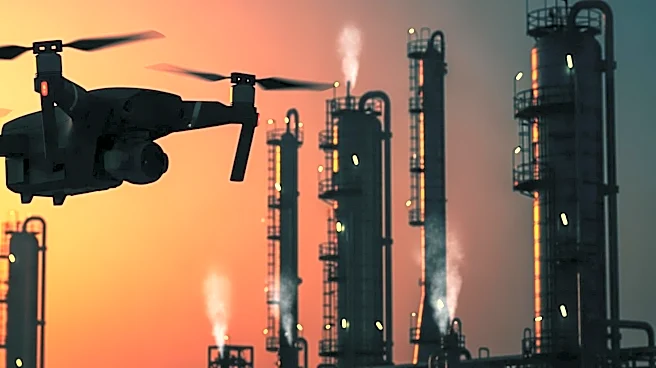
Ukraine's security forces have struck two shadow fleet tankers at the Black Sea port of Novorossiysk and three additional vessels at the Baltic port of Primorsk. These ports are critical oil export terminals for Russia. The attacks demonstrate Ukraine's ability
to conduct long-distance strike operations and highlight vulnerabilities in Russian defenses. Ukrainian President Volodymyr Zelenskyy praised the operation, which was led by Chief of the General Staff Andriy Gnatov, and involved the Security Service of Ukraine and the Navy.
Why It's Important?
The strikes on Russian oil infrastructure are part of Ukraine's strategy to disrupt Russia's economic capabilities and military funding. By targeting the shadow fleet, Ukraine aims to enforce international sanctions and disrupt illegal oil trade. This could lead to significant economic consequences, including potential increases in global oil prices. The attacks also underscore Ukraine's enhanced military capabilities and its focus on undermining Russia's financial resources, which could influence the broader geopolitical landscape and international energy markets.
What's Next?
The conflict is likely to escalate as Ukraine continues to target Russian economic interests. Russia may retaliate with increased military actions or seek to strengthen its defenses around critical infrastructure. The international community may face economic repercussions, prompting discussions on energy security and alternative oil sources. Diplomatic efforts to resolve the conflict could be impacted by these developments, as both sides reassess their strategic positions and the potential for further escalation.