




What's Happening?
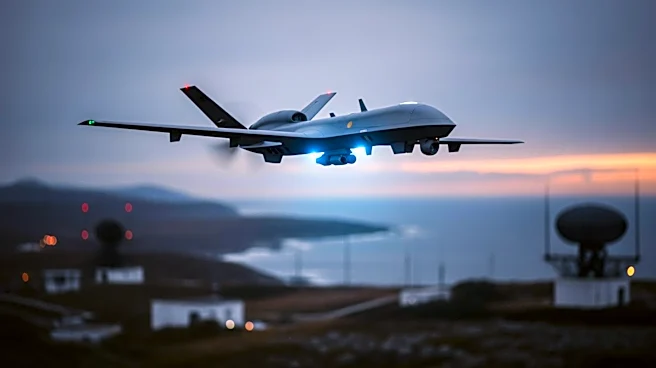
Ukraine's military chief, Oleksandr Syrskyi, has reported that Russia is experiencing a shortage of air defense missiles needed to counter Ukrainian drone strikes. This development comes as Ukraine intensifies its long-range strike campaign against Russian
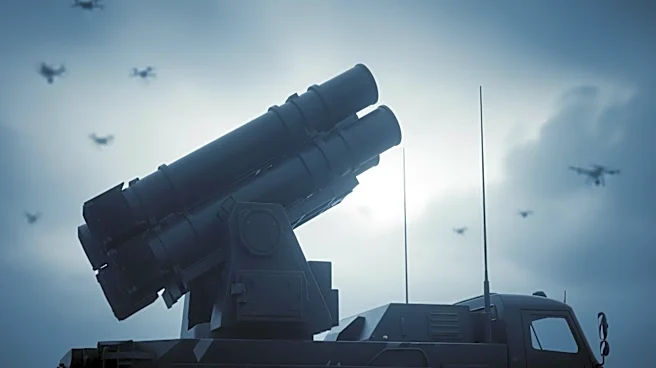
infrastructure, including energy facilities and military targets. Recent attacks have targeted the Black Sea Fleet naval base in Sevastopol and the Belbek airfield in Crimea. The Institute for the Study of War (ISW) noted that Ukraine is exploiting the large attack surface area of Russia's deep rear, which is overstretching Russian air defenses. The shortage is particularly acute in systems like the Pantsir point defense missile systems, which are slower to produce compared to the drones they are meant to intercept.
Why It's Important?
The shortage of air defense missiles in Russia highlights a significant vulnerability in its military capabilities, particularly in the face of Ukraine's increasing use of drones. This situation could shift the balance of power in the ongoing conflict, as Ukraine's ability to conduct long-range strikes without effective Russian countermeasures may lead to further degradation of Russian military infrastructure. The shortage also reflects broader challenges faced by militaries worldwide in adapting to the growing use of drones, which are cost-effective and difficult to target with traditional missile systems. This development could influence future military strategies and defense spending priorities, as countries may need to invest in new technologies to counter drone threats effectively.
What's Next?
As Ukraine continues its strike campaign, Russia may need to reassess its air defense strategies and potentially increase production of missile interceptors. Analysts suggest that Russia could adopt a counterdrone strategy similar to Ukraine's, focusing on mobile fire groups and interceptor drone crews. Additionally, the ongoing conflict may prompt other nations to evaluate their own air defense capabilities and consider investing in advanced technologies to address similar challenges. The situation also raises questions about the sustainability of current military supply chains and the need for innovation in defense manufacturing.