
What's Happening?
The U.S. Department of Justice has accused Yale University of illegally using race in its medical school admissions process. This marks the second such allegation against an institution this month. The department's
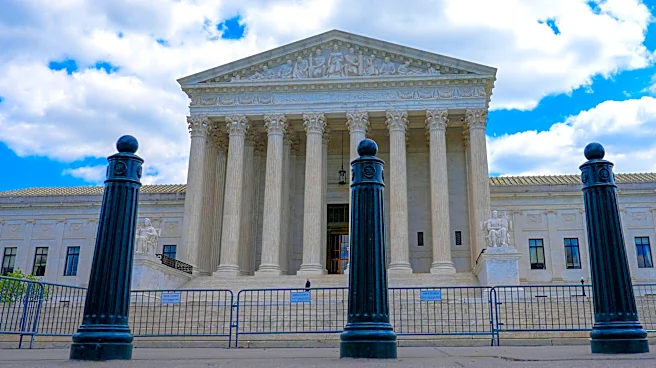
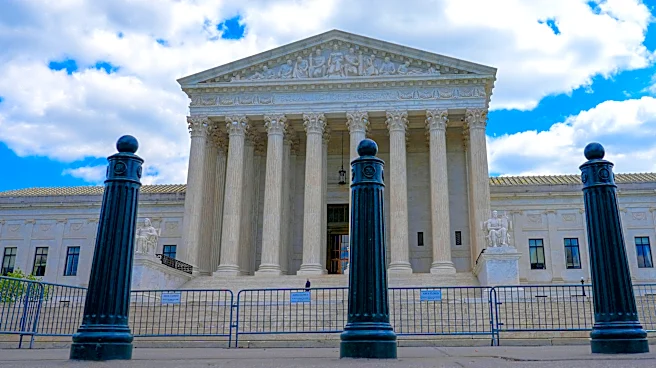
investigation found that Black and Hispanic students had a higher chance of admission compared to white and Asian students, despite having lower academic credentials. The Justice Department claims this practice violates the Supreme Court's 2023 decision banning affirmative action in college admissions. Yale has been asked to enter a voluntary resolution agreement, with the possibility of legal action if compliance is not achieved.
Why It's Important?
This accusation against Yale University highlights ongoing tensions and legal challenges surrounding affirmative action in higher education. The Justice Department's actions reflect a broader push by the Trump administration to eliminate race-based considerations in admissions, which could significantly impact diversity in educational institutions. If successful, this could lead to changes in how universities across the U.S. approach admissions, potentially reducing the representation of minority groups. The case also underscores the legal and ethical debates over affirmative action and its role in promoting diversity versus perceived discrimination.
What's Next?
Yale University may face legal proceedings if it does not comply with the Justice Department's demands. The outcome of this case could set a precedent for other universities and influence future policies on race-based admissions. Educational institutions may need to reassess their admissions criteria to align with federal regulations, potentially leading to broader changes in diversity strategies. The case could also prompt further legal challenges and public debate over affirmative action and its implications for educational equity and access.