







What's Happening?
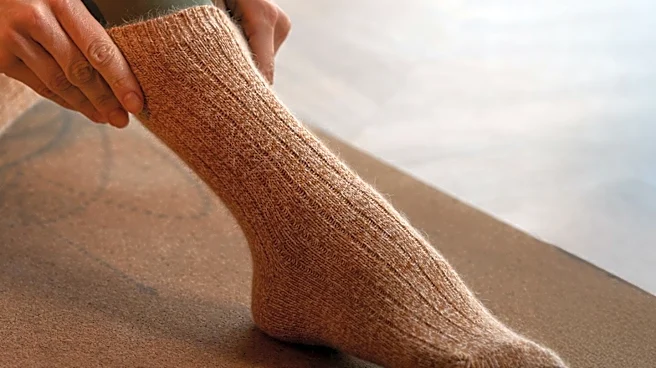
The 30-40 mmHg compression level in stockings, the firmest graduated compression available in the United States without a prescription, is designed for moderate to severe medical conditions such as swelling, advanced varicose veins, lymphedema, post-thrombotic
syndrome, and healed venous ulcers. This level of compression applies 30 to 40 millimeters of mercury pressure at the ankle, gradually decreasing up the leg to promote fluid circulation. Unlike lighter compression, 30-40 mmHg is considered a medical treatment rather than a comfort item. It is strongly recommended that individuals consult a clinician before using this level of compression, especially to confirm its appropriateness and rule out conditions like peripheral artery disease, which can make such high compression unsafe.
Why It's Important?
This information is critical for public health and consumer safety, particularly for individuals managing chronic venous conditions. The distinction between therapeutic compression and comfort wear is vital, as improper use of 30-40 mmHg stockings can lead to adverse health outcomes, especially for those with undiagnosed arterial issues. The guidance emphasizes the necessity of medical oversight, which can prevent complications and ensure effective treatment. For healthcare providers, it reinforces the importance of patient education regarding compression therapy. For manufacturers and retailers, it highlights the ethical responsibility to clearly communicate the medical nature and potential risks associated with higher compression levels, promoting informed consumer decisions and adherence to medical advice.
What's Next?
Future developments may include more stringent guidelines or public health campaigns to educate consumers about the medical necessity and potential risks of 30-40 mmHg compression stockings. Healthcare providers might increase their emphasis on pre-screening for arterial disease before recommending such compression. There could also be a push for clearer labeling on products sold without a prescription, explicitly advising clinical consultation. Additionally, insurance coverage policies, which saw changes in 2024 with Medicare recognizing lymphedema compression treatment items, may continue to evolve, potentially influencing access and affordability for patients requiring these medical devices.
Beyond the Headlines
The nuanced understanding of compression levels extends beyond immediate medical application to broader implications for patient empowerment and healthcare accessibility. By distinguishing between comfort and therapeutic compression, individuals are encouraged to take a more active role in their health management, seeking professional advice rather than self-treating potentially serious conditions. This also touches upon the challenges of navigating healthcare systems and insurance complexities, as a prescription is often needed for reimbursement even if not for purchase. The emphasis on proper fit and regular replacement also highlights the ongoing financial and practical commitments required for effective long-term management of chronic conditions using these devices.