
What's Happening?
The US Federal Aviation Administration (FAA) has ordered a nationwide ground stop for all flights across the United States, citing extraordinary circumstances and safety concerns. This directive requires
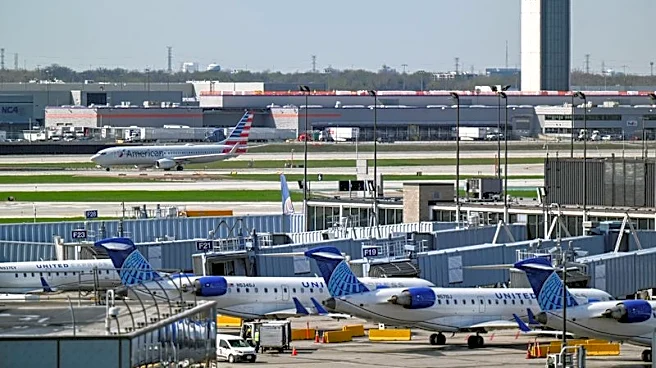
all domestic flights to remain on the ground until further notice. International flights bound for the US are being reviewed on a case-by-case basis. While the exact cause of the nationwide suspension was not immediately clear, CNN reported that an FAA spokesperson indicated a communications problem was affecting en-route air traffic control centers, which are responsible for managing flights crossing the country. Prior to the national order, the FAA had already halted all air traffic at Chicago airport due to similar communications issues within its air traffic control system. This incident marks the second nationwide ground stop in the US in less than a year, with the last occurring in January 2023 due to an outage in the system used to send notices to pilots.
Why It's Important?
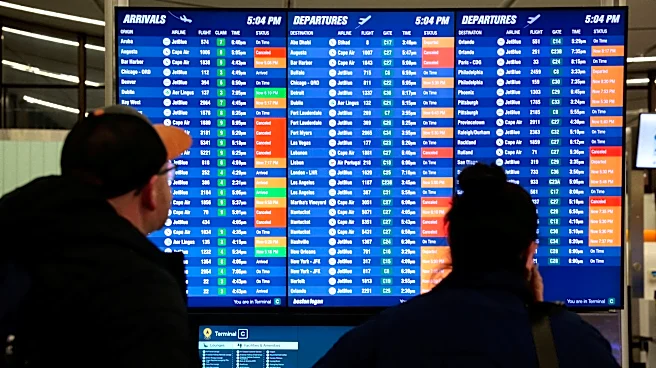
This nationwide ground stop has significant implications for air travel, commerce, and public confidence in the aviation system. The immediate impact is widespread flight cancellations and delays, disrupting travel plans for millions of passengers and affecting logistics for businesses relying on air cargo. Economically, such disruptions can lead to substantial financial losses for airlines, airports, and related industries. The repeated occurrence of nationwide ground stops, particularly due to system outages, raises concerns about the resilience and modernization of critical air traffic control infrastructure. It highlights potential vulnerabilities in the systems that ensure the safety and efficiency of one of the world's busiest airspaces. The incident also underscores the critical role of robust communication systems in maintaining air safety and operational continuity, prompting questions about investment in and maintenance of these essential services.
What's Next?
The immediate next step involves the FAA identifying and resolving the communications problem to safely resume air traffic. This will likely entail extensive diagnostic work and system checks across all affected air traffic control centers. Once the issue is resolved, there will be a phased resumption of flights, which could take several hours or even days to fully normalize operations due to the backlog of delayed and canceled flights. Airlines will face the challenge of rebooking passengers and repositioning aircraft and crew. Investigations into the root cause of the outage are expected to follow, potentially leading to recommendations for system upgrades, procedural changes, or increased investment in FAA infrastructure. The incident may also prompt congressional scrutiny regarding the reliability of the national airspace system and the FAA's preparedness for such events.
Beyond the Headlines
Beyond the immediate operational disruptions, this event could trigger broader discussions about the digital infrastructure underpinning critical national services. The reliance on complex, interconnected systems means that a single point of failure, such as a communications breakdown, can have cascading effects across an entire sector. This incident may reignite debates about cybersecurity vulnerabilities within national infrastructure, even if this particular event is attributed to a technical glitch rather than a cyberattack. Furthermore, it could influence public perception of air travel safety and reliability, potentially leading to increased calls for transparency and accountability from aviation authorities. The long-term implications might include accelerated efforts to modernize air traffic control systems, potentially involving new technologies and increased federal funding to prevent future occurrences and enhance the resilience of the national airspace.