






What's Happening?
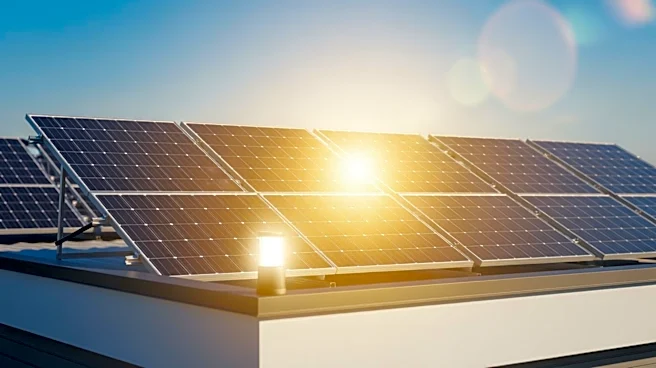
Wayne Greier, a farmer in Ohio, faced local opposition when attempting to host a solar farm on his land. Despite the potential financial benefits, including $540,000 in annual lease payments, his project was blocked by local officials under a state law
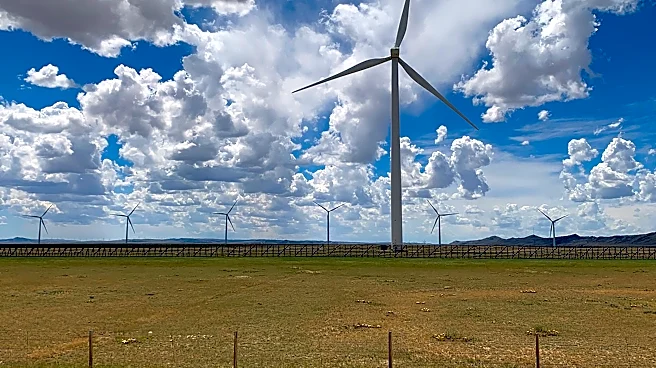
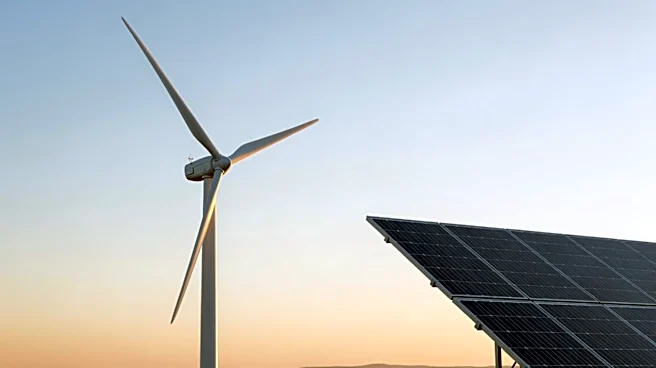
that allows counties to restrict wind and solar farms. This reflects a broader trend of increasing local laws across 44 states that restrict renewable energy projects, as noted in a 2025 study from Columbia University. Greier, who is part of the Renewable Energy Farmers of America, has been advocating for solar energy by sharing his experiences with lawmakers and communities. In Richland County, Ohio, advocates have managed to get a referendum on the ballot to reverse the county's ban on wind and solar projects.
Why It's Important?
The opposition to solar energy projects in Ohio highlights the tension between local governance and the push for renewable energy. While many communities theoretically support decarbonization, local bans can hinder progress, affecting farmers who rely on lease payments for financial stability. The situation underscores the challenges in balancing community interests with environmental goals. The broader impact includes potential setbacks in achieving national renewable energy targets and economic implications for farmers who could benefit from stable income through solar leases. The issue also raises questions about property rights and the influence of federal policies on local decisions.
What's Next?
In Richland County, Ohio, a referendum is scheduled to potentially reverse the ban on wind and solar projects, which could set a precedent for other communities facing similar restrictions. Wayne Greier continues to advocate for solar energy, focusing on property rights and the economic benefits for farmers. The outcome of the referendum and ongoing advocacy efforts may influence future local and state policies regarding renewable energy projects. Additionally, the federal government's stance on green energy, particularly under President Trump's administration, could further impact local decisions and the viability of solar projects.