
What's Happening?
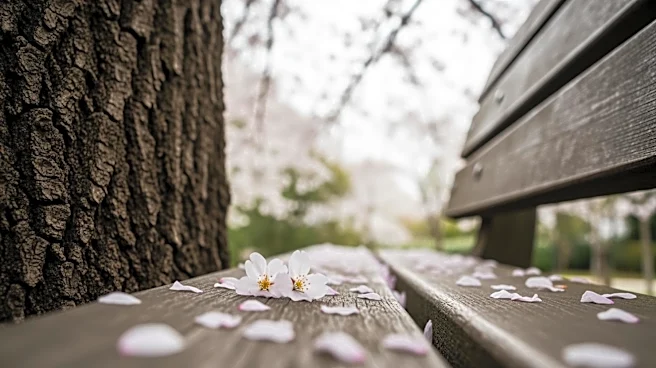
In Tokyo, the collapse of aging Somei Yoshino cherry blossom trees has raised safety concerns during the popular viewing season. Many of these trees, planted during Japan's postwar period, are now over
60 years old and showing signs of deterioration. Recent incidents have prompted officials to conduct health checks and implement temporary safety measures in parks, although some trees have fallen without warning signs.
Why It's Important?
The condition of Tokyo's cherry blossom trees highlights broader environmental and safety issues. As iconic symbols of Japanese culture, their decline due to age and environmental stressors like climate change underscores the need for sustainable management practices. The situation also raises questions about public safety during popular cultural events, emphasizing the importance of proactive measures to protect both natural heritage and public well-being.
What's Next?
Authorities are likely to continue monitoring the health of cherry blossom trees and may consider more permanent solutions, such as replanting and regeneration plans. Public awareness campaigns about the impact of climate change on natural landmarks could also be part of future strategies. The situation serves as a reminder of the need for ongoing investment in environmental conservation and urban planning.