




What's Happening?
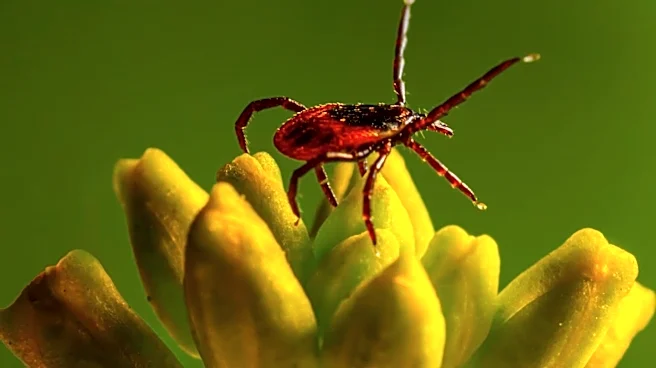
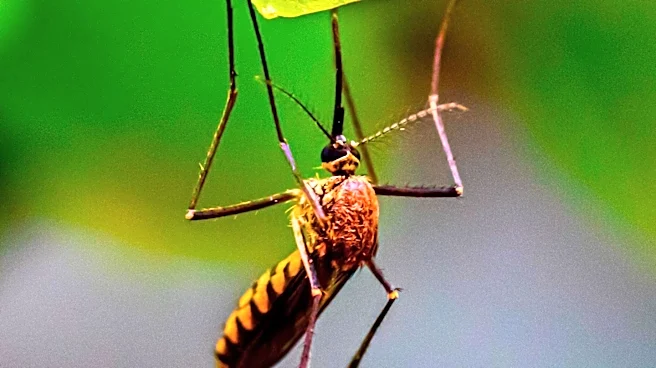
Climate change is significantly altering the dynamics of infectious diseases, particularly vector-borne diseases, which are transmitted by vectors such as mosquitoes and ticks. As global temperatures rise and weather patterns shift, these vectors are expanding
their geographical ranges, leading to the spread of diseases like malaria, dengue fever, and Lyme disease into new areas. The increased frequency and intensity of extreme weather events, such as heavy rainfall and droughts, create favorable conditions for vector breeding and survival, thereby exacerbating the spread of these diseases. This phenomenon is not only affecting human health but also impacting animal and plant pathogens, contributing to a broader public health challenge.
Why It's Important?
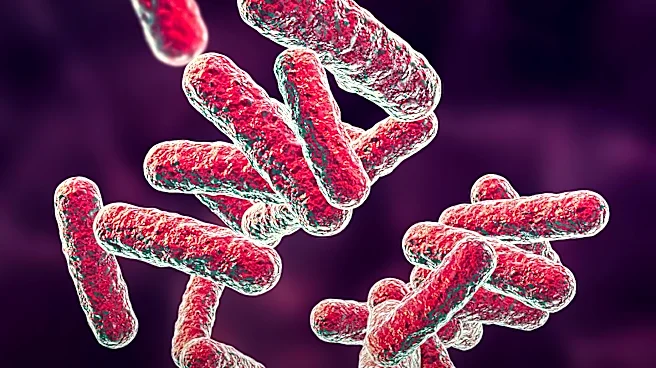
The spread of vector-borne diseases due to climate change poses a significant threat to global health, particularly in low- and middle-income countries that are less equipped to handle such challenges. These regions are likely to experience the greatest disease burden, exacerbating existing health inequalities. The expansion of disease vectors into new areas could lead to increased healthcare costs and strain public health systems. Additionally, the rise in infectious diseases may lead to greater use of antimicrobials, potentially accelerating the development of antimicrobial resistance (AMR), which is already a major public health concern. Understanding and addressing these interconnected issues is crucial for developing effective mitigation strategies.
What's Next?
To address the growing threat of climate change-linked vector-borne diseases, there is a need for integrated, interdisciplinary approaches that combine climate science, public health, and community engagement. Improved risk assessment models that incorporate climate data can help predict and manage disease outbreaks. Additionally, fostering community partnerships across health, environment, and economic sectors can create more resilient systems capable of withstanding climate impacts. Research into the links between climate change and AMR is also essential to develop strategies that mitigate the spread of resistant pathogens.
Beyond the Headlines
The implications of climate change on infectious diseases extend beyond immediate health impacts. The spread of plant pathogens due to climate extremes threatens food security and agricultural productivity, highlighting the need for climate-resilient agricultural practices. Furthermore, the increased prevalence of infectious diseases could lead to social and economic disruptions, particularly in vulnerable communities. Addressing these challenges requires a holistic approach that considers the complex interactions between climate, health, and socio-economic factors.