




What's Happening?
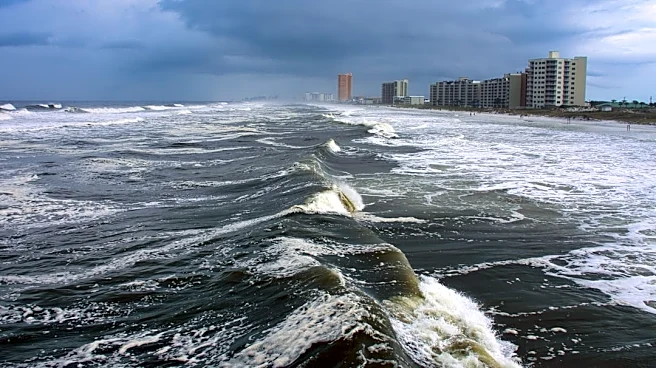
Parkland Health officials are advising North Texans to prepare for a range of weather-related hazards, including tornadoes, severe thunderstorms, flash flooding, extreme heat, and winter storms. Chris Noah, MS, cABCF, Director of Disaster Management and Business
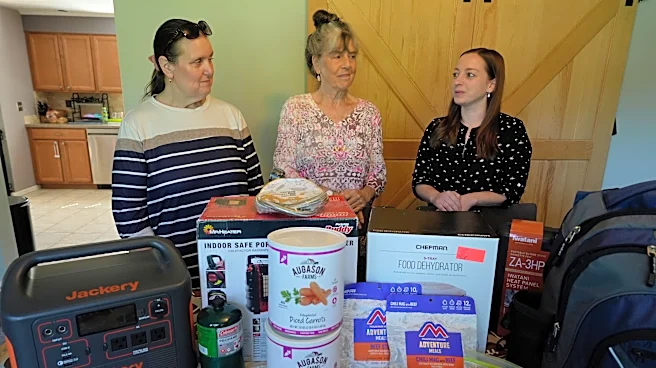
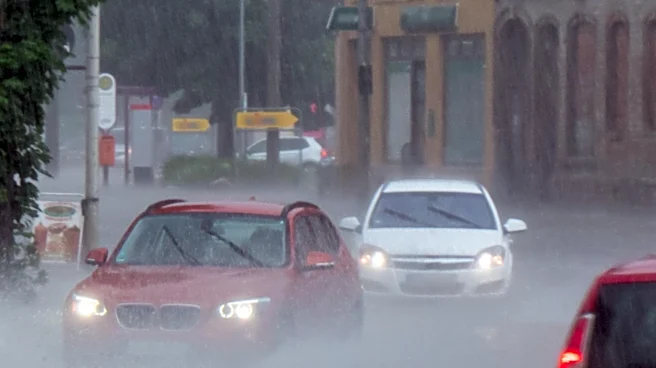
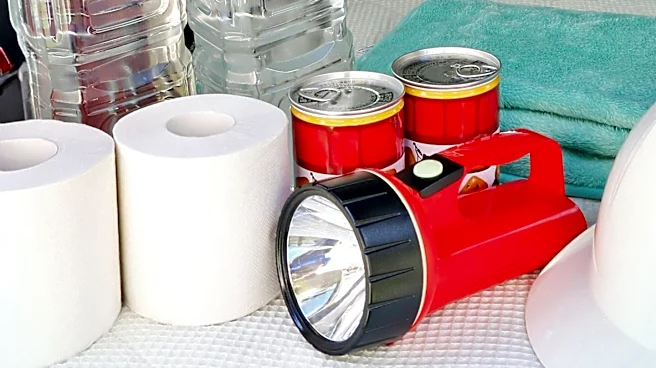
Continuity at Parkland Health, emphasizes that preparedness is crucial before severe weather strikes. Residents are encouraged to stay informed through trusted weather alerts, understand the difference between a weather watch and a warning, and identify safe shelter locations. Key recommendations include assembling an emergency kit with essentials like water, nonperishable food, medications, and important documents, as well as developing a family communication plan. Noah also stresses avoiding unnecessary travel during severe weather and never driving through flooded roadways, stating, “Turn around, don't drown. It’s simply not worth risking your life.”
Why It's Important?
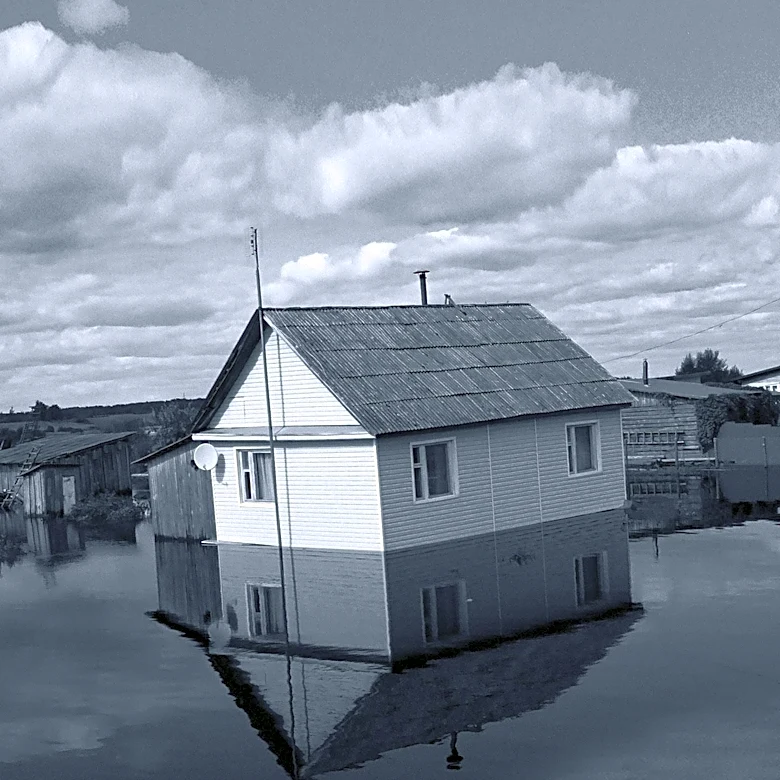
The proactive guidance from Parkland Health is critical for public safety in a region frequently affected by diverse and rapidly changing weather conditions. By encouraging individual and family preparedness, the initiative aims to reduce casualties and mitigate the impact of natural disasters on communities. The emphasis on understanding weather alerts and having emergency kits directly empowers residents to take immediate action, potentially saving lives and minimizing property damage. Furthermore, the advice to avoid flooded roads addresses a common and dangerous mistake during flash floods. For healthcare facilities like Parkland, continuous emergency preparedness exercises are vital to ensure they can maintain patient care and protect staff during crises, highlighting the broader societal importance of institutional readiness in the face of environmental threats.
What's Next?
North Texans are expected to heed the advice from Parkland Health by taking concrete steps to prepare for severe weather. This includes signing up for emergency weather alerts, familiarizing themselves with local shelter options, and creating or updating their emergency kits and family communication plans. Community organizations and local governments may amplify these messages, potentially organizing preparedness workshops or distributing informational materials. Parkland Health will continue its internal emergency preparedness exercises and disaster drills to ensure its physicians, nurses, and staff are ready to respond to a wide range of emergencies. The ongoing effort will likely involve collaboration with community partners to enhance regional resilience and ensure a coordinated response when disasters occur, building on the health system's historical commitment to preparedness.
Beyond the Headlines
The call for severe weather preparedness in North Texas underscores a growing national trend of communities adapting to more frequent and intense weather events, likely influenced by climate change. Beyond the immediate safety concerns, this initiative highlights the importance of civic responsibility and community resilience. It encourages individuals to not only protect themselves but also to check on vulnerable neighbors, fostering a stronger social fabric. The continuous training within healthcare settings like Parkland Health reflects a critical evolution in disaster management, where medical institutions are not just responders but also key educators and planners. This holistic approach to preparedness, encompassing individual actions, community support, and institutional readiness, is becoming increasingly vital for urban and rural areas alike in the face of an unpredictable climate.