






What's Happening?
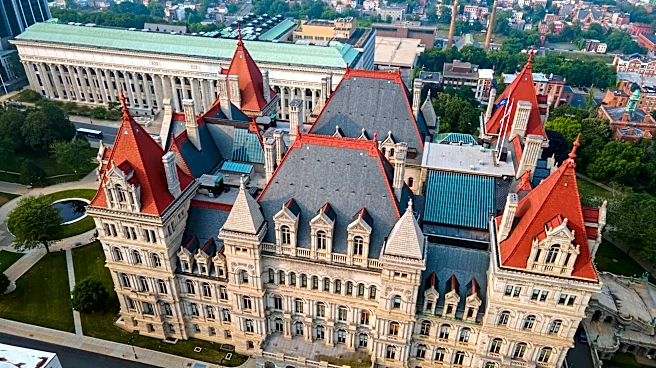
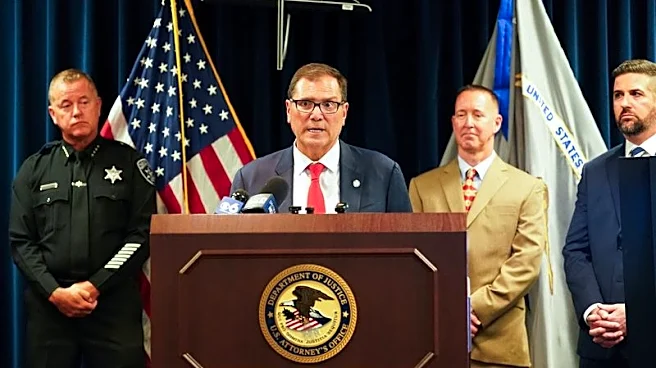
Jessica Bowie, a 35-year-old woman from Albany, New York, has been charged with a federal terrorism offense for allegedly plotting to bomb the New York state Capitol building and kill lawmakers. Authorities stated that Bowie had been under surveillance
for over a month, during which she communicated with confidential informants posing as ISIS facilitators. The FBI's counterterrorism agents became aware of Bowie's intent to attack the Capitol around July 16, after monitoring her online accounts where she had expressed support for terrorism since May. Bowie reportedly made at least five reconnaissance trips to the Capitol grounds to plan the placement of an explosive device and assess security measures. She also sought instructions on building explosives and arranged to purchase a firearm and ammunition to engage with law enforcement if necessary. The alleged plot was thwarted weeks before the anniversary of the 9/11 terror attacks.
Why It's Important?
This incident underscores the persistent threat of domestic terrorism and radicalization within the United States, even from individuals acting independently. The alleged targeting of the New York State Capitol and lawmakers highlights a direct assault on democratic institutions and processes. The FBI's successful intervention demonstrates the critical role of intelligence gathering and counterterrorism efforts in preventing such attacks. The case also brings to light the potential for online platforms to be used for radicalization and the planning of violent acts. The allegations suggest a motive rooted in extremist ideology, aiming for a 'complete disruption of our government,' which poses a significant challenge to national security and public safety. The planned use of explosives and firearms indicates a high level of intent to cause mass casualties and widespread fear.
What's Next?
Jessica Bowie faces a federal terrorism charge for providing material support or resources to a foreign terrorist organization. She was arrested on Wednesday, and her legal proceedings will commence, likely involving arraignment and bail hearings. The investigation will continue to uncover any potential co-conspirators or broader networks, although the current information suggests she acted largely independently while communicating with informants. Law enforcement agencies, including the FBI and state authorities, will likely review and potentially enhance security protocols at government buildings, particularly state capitols, in response to this thwarted plot. Governor Kathy Hochul's office has already indicated that steps were taken earlier this year to strengthen security across state government due to a rise in political violence and threats against public officials. The case will proceed through the federal court system, with potential for further details about Bowie's motivations and the extent of her planning to emerge.
Beyond the Headlines
This case delves into the complex issue of individual radicalization and the pathways through which individuals may adopt extremist ideologies. Bowie's alleged conversion to Islam five years prior and subsequent expression of support for terrorism online raise questions about the factors contributing to such shifts and the effectiveness of early intervention strategies. The targeting of state senators due to laws perceived as offensive to Islam highlights the intersection of religious interpretation, political grievances, and violent extremism. The FBI's use of confidential informants in this case also brings to the forefront the ethical and legal considerations surrounding such tactics in counterterrorism operations. Furthermore, the incident may fuel broader discussions about the balance between civil liberties and national security, particularly concerning online surveillance and the monitoring of individuals expressing extremist views. The alleged plot, if successful, could have had profound implications for political discourse and the safety of public servants.