







What's Happening?
Injectable peptides, short chains of amino acids, are gaining significant traction in U.S. biohacking and wellness communities, despite being largely unregulated and often sold with a "Research Use Only" disclaimer. These products are marketed for various
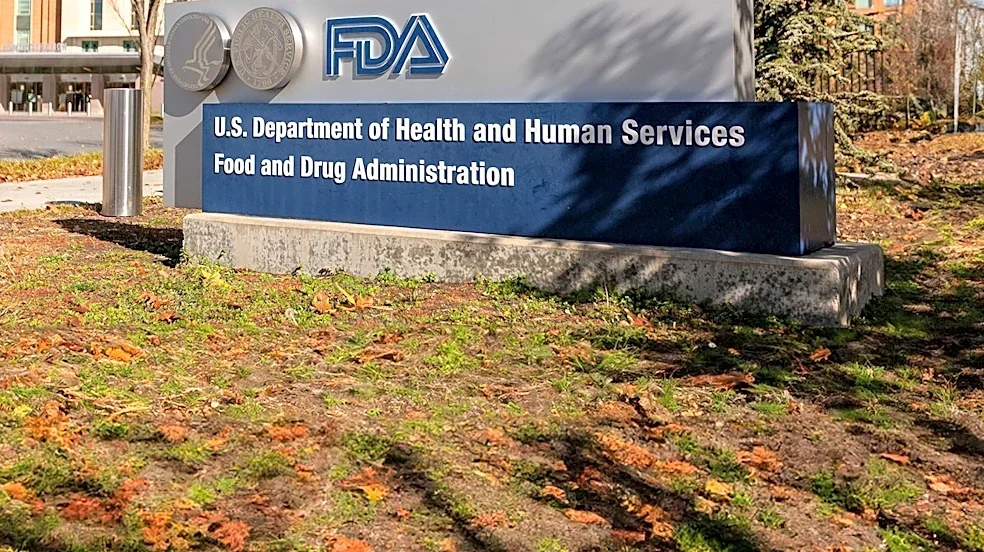
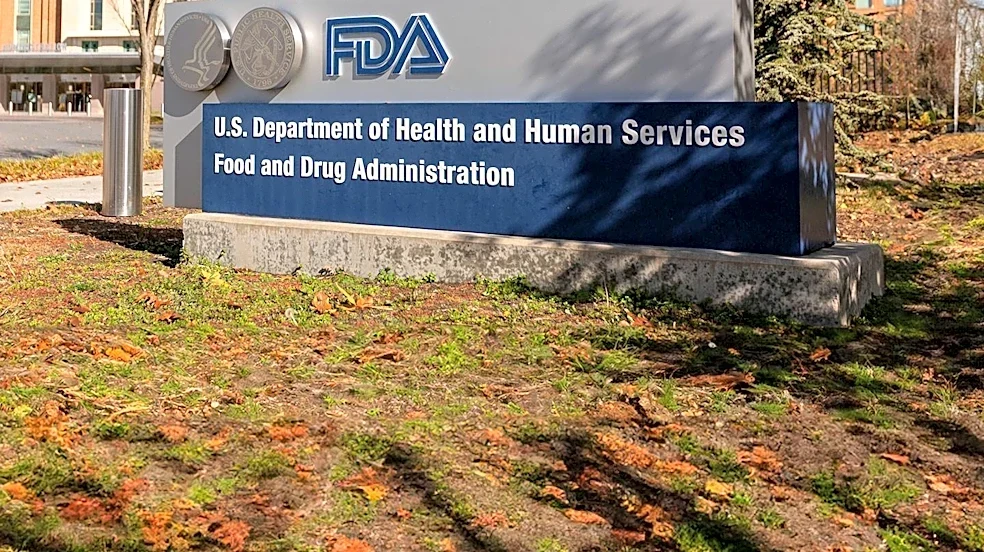
benefits, including muscle recovery, injury healing, and weight loss, and are increasingly found in wellness spas, social media promotions, and even smoke shops. However, unlike FDA-approved peptide drugs such as insulin or GLP-1 medications, many of these peptides have not undergone rigorous clinical trials in humans to establish their safety or efficacy. The FDA has issued warning letters to companies marketing these products for human use, indicating that disclaimers do not circumvent drug laws. There have been reported incidents of adverse effects, including hospitalizations and unverified deaths, linked to the use of gray market peptides.
Why It's Important?
The proliferation of unregulated peptides in the U.S. wellness market poses significant public health risks. Consumers are using substances with unknown long-term effects, potential impurities, incorrect dosages, and dangerous interactions with other medications. The lack of FDA approval means these products are not tested for safety, effectiveness, or manufacturing quality, leaving users vulnerable to harm. This trend is fueled by a combination of factors, including a growing distrust in traditional medicine, the success of FDA-approved injectable weight-loss drugs, and aggressive promotion by fitness and wellness influencers on social media. The situation highlights a critical gap in consumer protection and regulatory oversight within the rapidly expanding and often opaque wellness industry, potentially leading to a rise in adverse health outcomes.
What's Next?
The FDA is likely to continue its efforts to crack down on companies illegally marketing unregulated peptides for human use, potentially issuing more warning letters and taking enforcement actions. There may be increased calls from medical professionals and public health advocates for stricter regulations on the sale and promotion of these substances. Consumers should expect to see more public awareness campaigns highlighting the dangers of unproven peptides. The medical community will likely continue to conduct research to better understand the effects of these compounds, but in the interim, caution is advised. Individuals considering peptide therapies should consult with qualified healthcare providers and prioritize FDA-approved treatments to ensure safety and efficacy.
Beyond the Headlines
The surge in peptide use reflects a broader societal trend of individuals seeking to 'health-max' and optimize their bodies, often driven by a desire for enhanced physical appearance, performance, and longevity. This phenomenon underscores a growing willingness to engage in self-experimentation with substances that lack scientific validation, blurring the lines between legitimate medical treatment and unregulated wellness practices. The influence of social media and influencers plays a critical role in normalizing and popularizing these unproven methods, creating a powerful feedback loop that bypasses traditional medical gatekeepers. This raises profound ethical questions about informed consent, the responsibility of platforms to regulate health claims, and the potential for a two-tiered system where those with resources can access experimental treatments while others face risks with unregulated alternatives. The 'Wild West' nature of this market challenges the very definition of health and wellness in a technologically advanced, yet often scientifically illiterate, society.