





What's Happening?
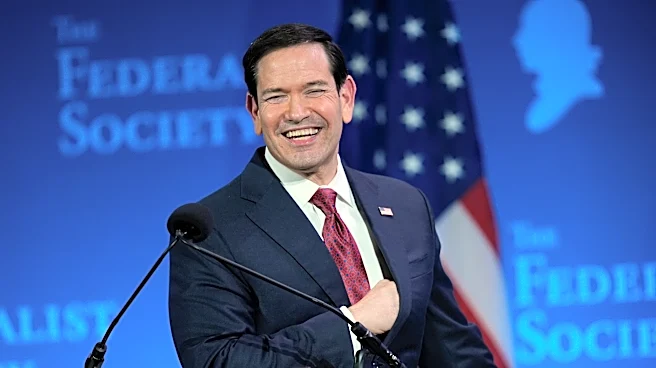
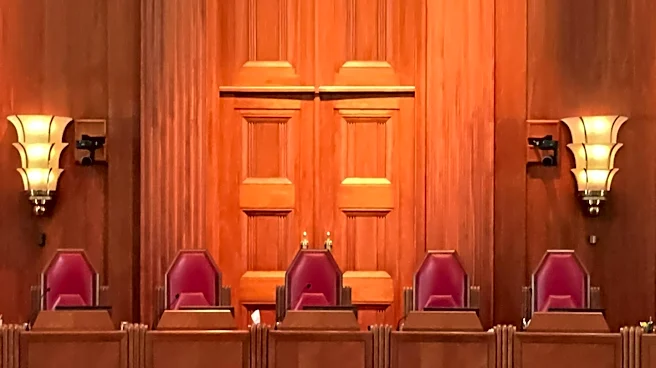
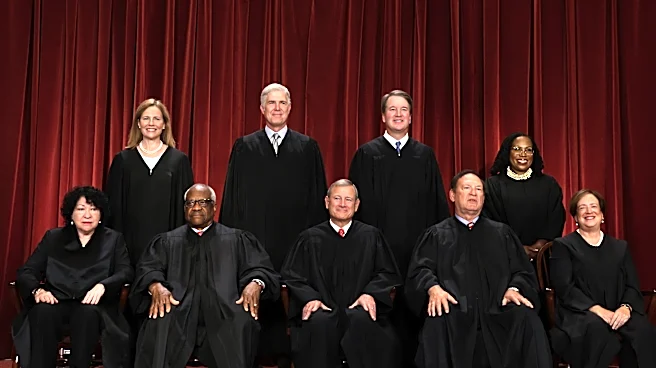
Three Supreme Court justices, Neil Gorsuch, Brett Kavanaugh, and Amy Coney Barrett, are emphasizing the critical need for increased civic education in the United States. Justice Gorsuch, in a series from the Federalist Society, highlighted that the survival
of the U.S. Constitution and Declaration of Independence depends on each new generation actively choosing to preserve them. He stressed the importance of understanding the nation's history to maintain its foundational principles. Justice Kavanaugh echoed this sentiment, underscoring that a robust education system is fundamental to preserving and improving the republic over the next 250 years, particularly by teaching American history, values, and the constitutional amendment process. Justice Barrett pointed to the Declaration of Independence's closing pledge, reminding citizens that they are active participants in the 'American project' and not merely passive observers. The justices collectively argue that a deeper understanding of American civics is essential for the nation's future.
Why It's Important?
The call for enhanced civic education by Supreme Court justices carries significant weight, highlighting a perceived vulnerability in the understanding of American governance and history among the populace. This initiative suggests a concern that a lack of civic knowledge could undermine the foundational principles of the U.S. republic. For U.S. society, a decline in civic literacy can lead to decreased informed participation in democratic processes, potentially impacting election outcomes, public policy debates, and the overall health of democratic institutions. From a political standpoint, an educated citizenry is crucial for holding elected officials accountable and for understanding the complexities of legislative and judicial actions. The justices' statements imply that without a renewed commitment to civic education, the nation risks losing its collective appreciation for its unique system of government, potentially leading to instability or a shift away from its founding ideals. This emphasis on education could spur discussions and reforms in educational curricula nationwide.
What's Next?
The statements from Justices Gorsuch, Kavanaugh, and Barrett are likely to ignite further discussions among educators, policymakers, and advocacy groups regarding the state of civic education in the U.S. It could lead to calls for curriculum reforms at state and local levels, potentially increasing the emphasis on American history, civics, and constitutional principles in schools. Educational institutions might review their current offerings to ensure they adequately prepare students for informed civic participation. Additionally, organizations focused on constitutional law and civic engagement, such as the Federalist Society, may amplify their efforts to promote educational initiatives. The judiciary's vocal support for this cause could also encourage legislative bodies to consider funding or policy changes aimed at strengthening civic literacy across all age groups, not just youth, as suggested by Justice Gorsuch. This could manifest in new educational programs, public awareness campaigns, or increased resources for civics teachers.
Beyond the Headlines
The justices' emphasis on civic education extends beyond mere academic knowledge; it touches upon the ethical and cultural fabric of the nation. Their remarks suggest a concern about a potential erosion of shared national identity and purpose, which they believe is rooted in a collective understanding of American history and constitutional values. This initiative implicitly challenges the current educational paradigms, prompting a deeper reflection on how effectively schools are instilling a sense of civic responsibility and an appreciation for democratic institutions. The long-term implications could involve a cultural shift towards greater civic engagement and a more informed public discourse, potentially mitigating political polarization by fostering a common understanding of the nation's founding principles. Conversely, if these calls are not heeded, the perceived decline in civic literacy could exacerbate existing societal divisions and weaken the public's trust in governmental structures, leading to more profound challenges to the republic's stability.