






What's Happening?
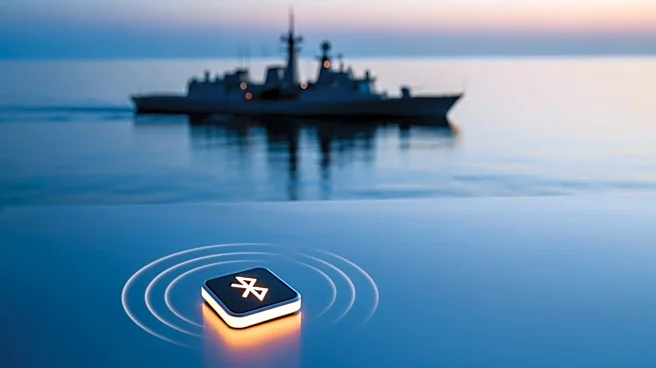
Dutch regional broadcaster Omroep Gelderland successfully tracked the Royal Netherlands Navy frigate Evertsen using a Bluetooth tracker sent via military mail. The tracker, placed in a greeting card, allowed the broadcaster to monitor the frigate's movements
for 24 hours before it went offline near Cyprus. The Dutch Ministry of Defence has responded by adjusting guidelines for military mail to prevent similar incidents. The tracking incident raises concerns about security vulnerabilities and the potential risks of real-time location tracking of military assets.
Why It's Important?
The ability to track a military vessel using a simple Bluetooth gadget highlights significant security vulnerabilities in military operations. This incident underscores the need for stringent security measures to prevent unauthorized tracking and potential threats to national security. The ease with which the tracker was sent and monitored raises questions about the effectiveness of current mail screening processes and the potential risks posed by similar tracking devices. The incident may prompt a review of security protocols and the implementation of more robust measures to safeguard military assets.
What's Next?
The Dutch Ministry of Defence is likely to conduct a thorough review of mail screening processes and security protocols to prevent future tracking incidents. This may involve enhancing X-ray scanning procedures and revising guidelines for sending items to military personnel. The incident could also lead to broader discussions on the security implications of commercial tracking devices and the need for international cooperation to address these vulnerabilities. Military organizations may need to invest in technology to detect and neutralize unauthorized tracking devices.