





What's Happening?
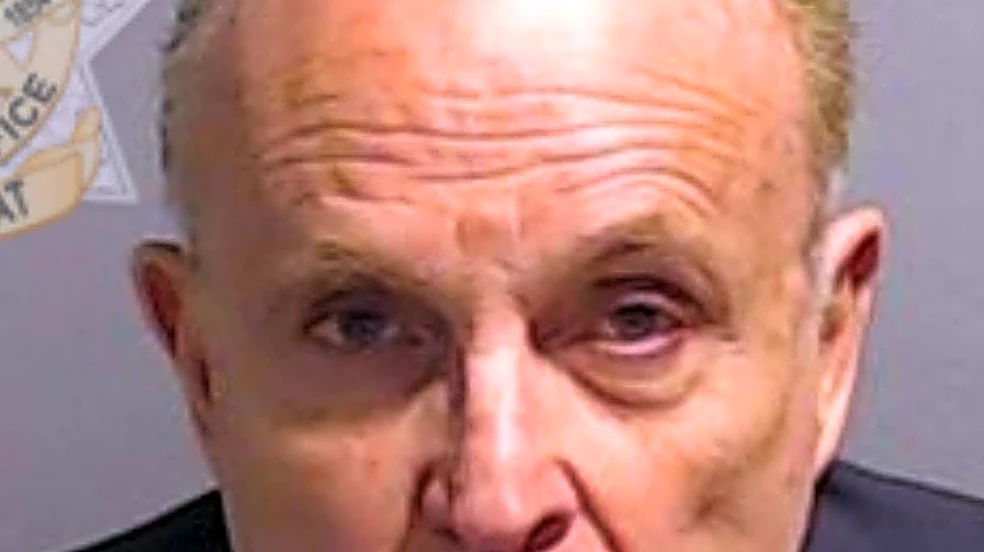
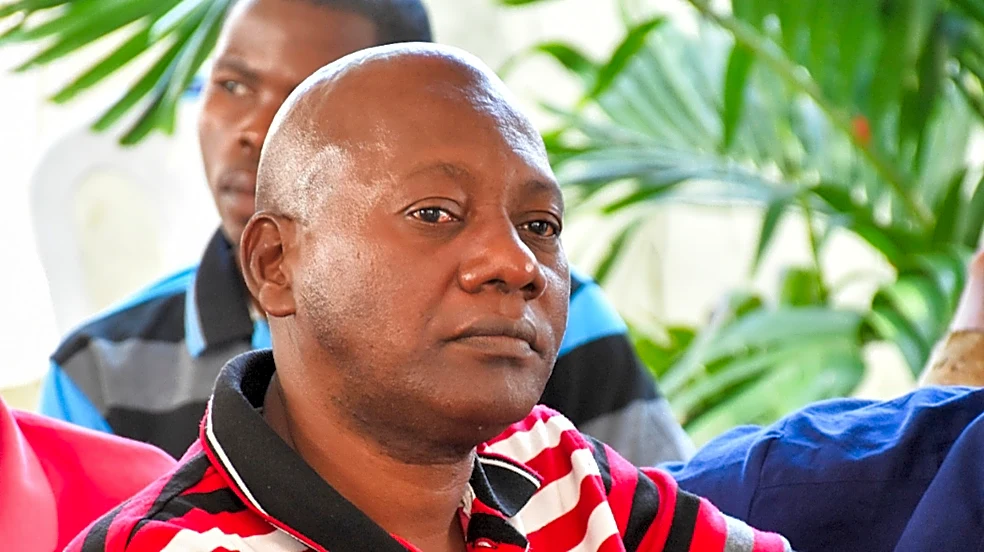
Douglas Herlihy, a New Hampshire man, pleaded guilty to manslaughter on Wednesday in a Nashua courtroom for the 2003 killing of his father, Paul Herlihy. Originally charged with second-degree murder, Herlihy accepted a plea for the lesser charge. The
case remained unsolved for two decades until it was resolved by the New Hampshire Department of Justice's Cold Case Unit. Prosecutors stated that the father and son had a difficult relationship, and the fatal incident occurred after a physical altercation. Christopher Knowles, chief of the New Hampshire Attorney General’s Cold Case Unit, detailed Herlihy's confession, where he admitted to striking his father with a baseball bat, causing his death. Following the attack, Douglas Herlihy attempted to conceal his father's body, initially wrapping it in carpeting and a tarp, and later burying it near the house.
Why It's Important?
This plea brings closure to a cold case that spanned two decades, highlighting the persistent efforts of law enforcement agencies like the New Hampshire Department of Justice's Cold Case Unit. The resolution of such long-standing cases underscores the commitment to justice for victims and their families, even years after the initial crime. It also demonstrates the evolving capabilities and determination of cold case units to piece together evidence and secure convictions in complex investigations. The case serves as a testament to the dedication of investigators and the support from state government in pursuing justice for unsolved crimes, reinforcing public trust in the legal system's ability to address past wrongs.
What's Next?
Douglas Herlihy is facing a sentence of 12 to 24 years in prison following his guilty plea. The sentencing will determine the exact duration of his incarceration. This outcome will officially conclude the legal proceedings related to the 2003 killing of Paul Herlihy. The New Hampshire Department of Justice's Cold Case Unit will likely continue its work on other unsolved cases, drawing on the success and experience gained from this investigation. The resolution of this case may also encourage other families with unsolved cold cases to maintain hope for justice, as law enforcement agencies continue to dedicate resources to these challenging investigations.
Beyond the Headlines
The resolution of this cold case after 20 years raises broader questions about the psychological impact of such long-term unresolved crimes on communities and families. The confession and subsequent plea offer a glimpse into the complex dynamics of family relationships that can tragically escalate. The dedication of the Cold Case Unit also highlights the ethical imperative of pursuing justice regardless of the passage of time, ensuring that perpetrators are held accountable. This case could also serve as a model for other states in allocating resources and developing strategies for investigating and solving cold cases, emphasizing the importance of sustained effort and advanced forensic techniques in bringing closure to long-standing mysteries.