









What's Happening?
The Trump administration has announced the buyback of offshore wind leases from Invenergy, a Chicago-based energy company, as part of a broader strategy to discourage wind energy expansion in favor of fossil fuels. This move involves the cancellation
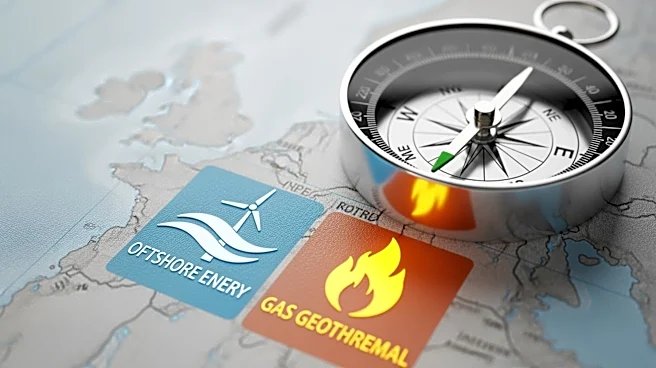
of four offshore wind projects, with Invenergy receiving $765 million in reimbursements. The administration has spent nearly $2.6 billion on similar agreements, redirecting investments to natural gas and geothermal projects. This decision follows legal challenges that thwarted President Trump's attempts to halt offshore wind development through executive actions. Interior Secretary Doug Burgum praised the shift towards 'dependable, secure energy infrastructure.' However, critics argue that replacing offshore wind with fossil fuel projects does not address energy reliability or affordability issues in affected regions.
Why It's Important?
This development highlights the Trump administration's continued support for fossil fuels over renewable energy, impacting the U.S. energy landscape. The buyback of wind leases could slow the transition to renewable energy sources, affecting efforts to combat climate change. The decision may also influence energy prices and supply, particularly in regions initially slated for offshore wind projects. The move has sparked criticism from environmental advocates and legal challenges from states like New York, which argue that it undermines clean energy goals and could lead to increased reliance on fossil fuels, with potential environmental and economic consequences.
What's Next?
The buyback strategy may face further legal challenges and political scrutiny, particularly from states and environmental groups advocating for renewable energy. The administration's focus on fossil fuels could lead to increased investment in natural gas and geothermal projects, potentially altering the U.S. energy market. Future policy decisions and court rulings will likely shape the trajectory of renewable energy development in the U.S., with implications for climate policy and energy independence.