





What's Happening?
Republican Congressman Michael Rulli, an ally of President Trump, has introduced the 'Guaranteeing Rights Against Novel International Tyranny and Extortion' (GRANITE) Act. This bill aims to prevent British regulators from enforcing their online safety
rules against U.S.-based websites. Additionally, the GRANITE Act seeks to stop U.S. courts from recognizing or enforcing foreign fines related to online speech. Congressman Rulli stated that foreign bureaucrats should not dictate what Americans can say, emphasizing that any foreign judgment attempting to punish an American for speech protected by the First Amendment would be 'dead on arrival' in U.S. courts. The bill addresses concerns that the UK's Online Safety Act, initially intended to protect children, has expanded to infringe upon the free speech rights of U.S. citizens and unfairly target American businesses through the extraterritorial ambitions of its regulator, Ofcom.
Why It's Important?
The introduction of the GRANITE Act highlights a growing transatlantic conflict over free speech and online regulation. This legislation is significant because it directly challenges the extraterritorial reach of foreign laws, particularly those that could impact U.S. companies and citizens' First Amendment rights. If passed, the GRANITE Act would establish a legal precedent asserting U.S. sovereignty over online content originating within its borders, preventing foreign entities from imposing their regulatory frameworks on American platforms. This could protect U.S. tech companies from potential fines and compliance burdens imposed by foreign regulators like Ofcom, which has reportedly threatened and fined U.S. tech companies for alleged breaches of the Online Safety Act. The bill underscores the U.S. commitment to its constitutional protections for free speech in the digital realm, potentially influencing how other nations approach regulating global online content.
What's Next?
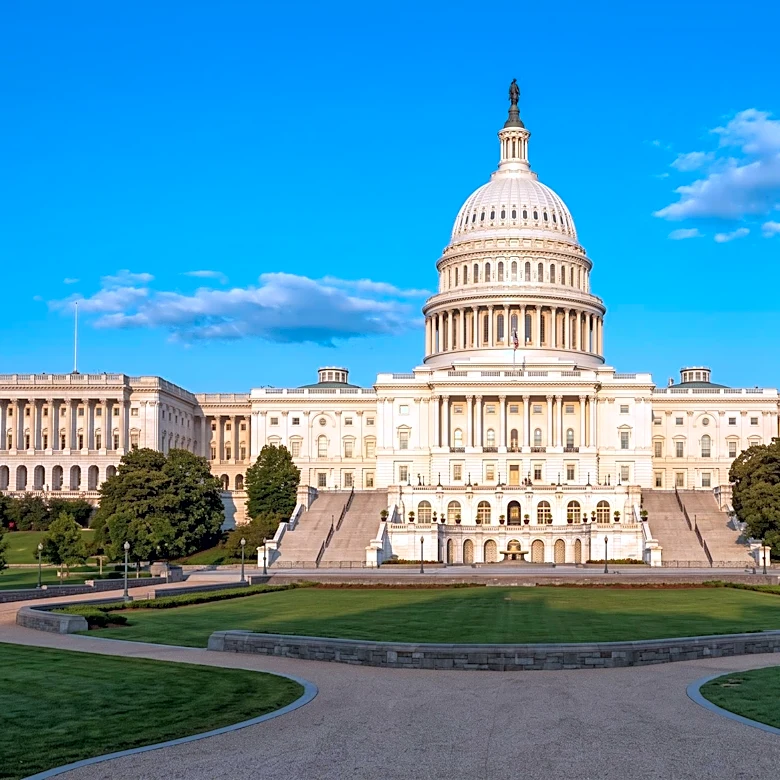
The GRANITE Act will now proceed through the legislative process in the U.S. Congress. Its future will depend on gaining sufficient support from other lawmakers and potentially navigating debates about international legal norms and digital sovereignty. The bill's progression could lead to further diplomatic discussions between the U.S. and the UK regarding the scope and enforcement of online safety regulations. U.S. tech companies and free speech advocacy groups will likely monitor the bill closely, as its passage could significantly alter their operational landscape and legal protections against foreign regulatory actions. Conversely, British regulators and proponents of the Online Safety Act may react to this legislative challenge, potentially intensifying the debate over global internet governance and the balance between online safety and free speech.
Beyond the Headlines
Beyond its immediate legislative impact, the GRANITE Act touches upon fundamental questions of national sovereignty in the digital age and the global applicability of free speech principles. The bill implicitly argues that a nation's constitutional rights, such as the First Amendment, should not be undermined by foreign legislation, even when that legislation aims to address legitimate concerns like online safety. This raises complex legal and ethical considerations about whose laws apply in the borderless digital space. The outcome of this legislative effort could set a precedent for how countries assert jurisdiction over online content and services, potentially leading to a more fragmented global internet where different national laws dictate what can and cannot be said or hosted online. It also highlights the tension between protecting citizens from harmful online content and safeguarding fundamental freedoms like speech.