




What's Happening?
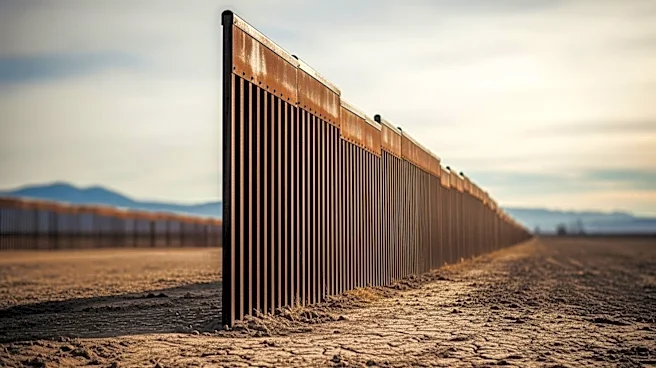
Chile's newly elected President José Antonio Kast has initiated a series of border control measures reminiscent of President Trump's immigration policies. These measures include the construction of trenches and barriers along the northern border with
Peru and Bolivia to curb illegal immigration, drug trafficking, and organized crime. Despite threats to deport the estimated 336,000 illegal migrants in Chile, only 40 have been deported so far. The initiative aims to enhance border security through physical barriers and advanced surveillance technologies.
Why It's Important?
Chile's approach to border control reflects a global trend towards stricter immigration policies, influenced by political movements advocating for national sovereignty and security. The implementation of these measures could impact regional migration patterns and bilateral relations with neighboring countries. Additionally, the focus on border security highlights the challenges faced by countries in managing migration while addressing public safety concerns. The effectiveness of these measures could set a precedent for other nations grappling with similar issues.
What's Next?
As Chile continues to develop its border control infrastructure, the government may face domestic and international scrutiny regarding the humanitarian implications of its policies. The success of these measures will depend on their ability to effectively deter illegal activities without infringing on human rights. Future developments may include legislative efforts to criminalize illegal entry and restrict access to social services for migrants. The ongoing construction and maintenance of border barriers will require continuous evaluation to address potential challenges such as environmental impact and resource allocation.
Beyond the Headlines
The construction of border barriers raises questions about the long-term sustainability and ethical implications of such measures. The use of advanced surveillance technologies may lead to concerns about privacy and civil liberties. Additionally, the focus on physical barriers may overlook the root causes of migration, such as economic disparity and political instability, necessitating a more comprehensive approach to addressing these issues.